When we talk about hormonal health, we tend to focus on the ovaries, the adrenal glands, and the thyroid. The gut rarely enters the conversation. But the evidence accumulated over the past decade points to the intestinal microbiome as one of the most consequential regulators of hormonal balance in women, operating through mechanisms that are only now being fully described.
This is not a wellness trend. The gut-hormone connection is grounded in molecular biology, with specific enzymes, signaling molecules, and metabolic pathways identified and replicated across independent research groups.
What Is the Gut Microbiome?
The human gut contains approximately 38 trillion microbial cells, roughly equal to the number of human cells in the entire body. This community of bacteria, fungi, archaea, and viruses, collectively called the gut microbiome, performs functions that the human body cannot perform on its own: producing vitamins, training the immune system, regulating inflammation, synthesizing neurotransmitters, and, critically for women, metabolizing hormones.
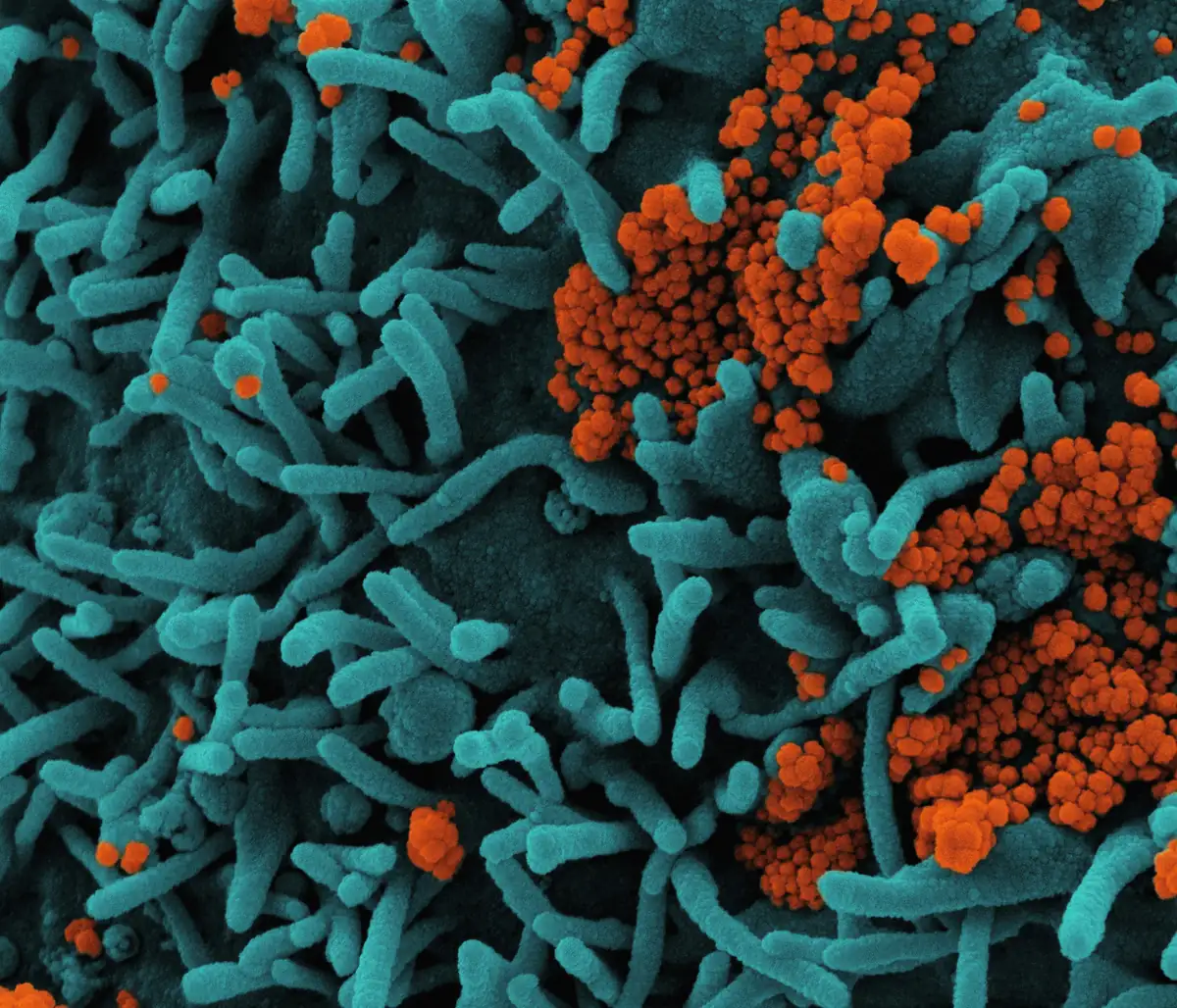
A healthy microbiome is characterized by diversity: hundreds of different species each contributing specific biochemical functions. A disrupted microbiome, called dysbiosis, is characterized by reduced diversity and dominance by species that produce inflammatory signals or that fail to perform key metabolic tasks. Dysbiosis is common in the modern world, driven by antibiotic use, ultra-processed food consumption, chronic stress, sedentary behavior, and insufficient dietary fiber.
The Estrobolome: Your Gut’s Role in Estrogen Regulation
The single most important concept for understanding the gut-hormone connection in women is the estrobolome: the collection of gut bacteria with the genetic capacity to metabolize estrogens.
Estrogens, after being produced by the ovaries and other tissues, circulate through the bloodstream and are eventually conjugated in the liver. Conjugation makes them water-soluble and ready for excretion, primarily through bile into the digestive tract. In a healthy gut, bacteria carrying the enzyme beta-glucuronidase deconjugate these estrogens, converting them back into their active forms. These reactivated estrogens are then reabsorbed into circulation, a process called enterohepatic recirculation.
The research implications are significant. A 2017 review published in Maturitas established that the estrobolome is one of the principal regulators of circulating estrogens, with dysbiosis and reduced gut microbiota diversity directly impacting estrogen-mediated conditions across multiple organ systems.
When beta-glucuronidase activity is too low (as in a depleted, low-diversity microbiome), less estrogen is reactivated. The result is a hypoestrogenic state, even in women who are not yet menopausal. This is linked to weight gain, metabolic syndrome, cardiovascular risk, and accelerated cognitive decline.
When beta-glucuronidase activity is too high (as when certain bacterial species overgrow), excess estrogen is reactivated and recirculated. This hyperestrogenic state is associated with endometriosis, polycystic ovary syndrome (PCOS), and an increased risk of estrogen-receptor-positive breast cancer.
This bidirectionality is what makes the estrobolome clinically important. The same gut, depending on its microbial composition, can push a woman’s hormonal status toward estrogen deficiency or estrogen excess, with very different disease consequences in each direction.
🌿 PrimeBiome combines Bacillus Coagulans (a clinically studied, heat-stable probiotic strain) with inulin as a prebiotic and anti-inflammatory botanicals. Supporting a healthy and diverse gut microbiome with evidence-backed probiotic strains is one of the most practical interventions available for women seeking better hormonal balance and digestive health.
Learn More About PrimeBiome →Specific Conditions Linked to Estrobolome Dysregulation
Endometriosis affects approximately 10% of women of reproductive age and is driven by estrogen-dependent growth of endometrial tissue outside the uterus. Women with endometriosis consistently show altered gut microbiome composition, with specific patterns of dysbiosis that appear to increase estrogen reactivation. This does not prove that dysbiosis causes endometriosis, but the association is consistent and the mechanism is biologically plausible.
PCOS (polycystic ovary syndrome) is the most common endocrine disorder in women of reproductive age, affecting 8 to 13% of women globally. Studies show that women with PCOS have significantly reduced gut microbiome diversity compared to healthy controls, with alterations in bacteria that regulate insulin sensitivity and androgen metabolism. Restoring microbiome diversity through dietary interventions has produced measurable improvements in some metabolic markers in PCOS.
Perimenopause and menopause represent a natural decline in estrogen production that also alters the gut microbiome. This creates a bidirectional problem: falling estrogen changes which bacteria thrive in the gut, and changes in the gut microbiome further reduce estrogen reactivation. Women in menopause with lower gut microbiome diversity show greater severity of menopausal symptoms, including worse vasomotor symptoms (hot flashes), lower bone density, and more pronounced metabolic changes.
The Gut-Brain Axis and Women’s Mental Health
The gut-brain axis describes the bidirectional communication network between the gut and the central nervous system. A landmark 2019 review published in Physiological Reviews by Cryan and colleagues, covering over 5,000 studies, established that the microbiota and the brain communicate through multiple routes simultaneously: the immune system, tryptophan metabolism, the vagus nerve, the enteric nervous system, and microbial metabolites including short-chain fatty acids.

The clinical relevance for women is direct. Women are twice as likely as men to experience depression and anxiety. The reasons are multifactorial, but the gut-hormone-brain connection may be one underappreciated contributor. Estrogen and progesterone receptors are distributed throughout the enteric nervous system, meaning that hormonal fluctuations directly affect gut function and, through the gut-brain axis, brain function.
Serotonin is widely known as a mood-regulating neurotransmitter, but less widely known is that approximately 90% of the body’s serotonin is produced in the gut, not the brain, by enterochromaffin cells that are in constant communication with gut bacteria. A disrupted microbiome disrupts serotonin production, which has measurable downstream effects on mood, sleep quality, and appetite regulation.
A 2019 meta-analysis of 34 controlled clinical trials published in Neuroscience and Biobehavioral Reviews found that probiotic supplementation produced small but statistically significant reductions in both depression (effect size d = -0.24, p less than 0.01) and anxiety (d = -0.10, p = 0.03) compared to placebo. The probiotics-depression effect remained significant even when analyses were restricted to the most rigorous trial designs. Prebiotics alone did not show a significant effect, suggesting that introducing specific bacterial strains, rather than simply feeding existing bacteria, drives the mood benefit.
How Diet Shapes Your Microbiome
Diet is the most powerful and accessible lever available for modifying gut microbiome composition. A 2018 review in The BMJ by Valdes, Spector, and colleagues synthesized the evidence on dietary strategies for supporting microbiome health, with direct implications for women’s hormonal and metabolic health.

The evidence supports the following dietary priorities for women who want to support their microbiome:
Increase dietary fiber substantially. Fiber from diverse plant sources is the primary fuel for beneficial gut bacteria, which ferment it into short-chain fatty acids (SCFAs) such as butyrate, propionate, and acetate. SCFAs serve as energy sources for colonocytes, reduce intestinal permeability, modulate immune function, and cross the blood-brain barrier to influence brain function directly. The average intake in most Western countries is 15 to 17 grams per day against a recommended 25 to 38 grams. Most people are eating less than half the fiber their microbiome needs.
Diversify plant food sources. Microbiome research consistently shows that dietary diversity, measured as the number of different plant foods consumed weekly, is one of the strongest predictors of microbial diversity. Aiming for 30 or more different plant foods per week, including vegetables, fruits, legumes, whole grains, nuts, seeds, and herbs, produces measurable improvements in microbiome diversity within weeks.
Include fermented foods regularly. Yogurt, kefir, sauerkraut, kimchi, miso, and kombucha deliver live bacteria directly to the gut. A 2021 randomized controlled trial published in Cell by Wastyk, Fragiadakis, Sonnenburg, Gardner and colleagues randomized participants to high-fiber versus high-fermented-food diets for 17 weeks. The high-fermented-food group showed significant increases in microbiome diversity and reductions in 19 inflammatory proteins. The fiber group showed more individualized responses.
Limit ultra-processed foods. Ultra-processed foods contain emulsifiers, artificial sweeteners, and other additives that have been shown in preclinical and observational studies to disrupt the mucosal layer of the gut, reduce microbiome diversity, and promote growth of pro-inflammatory species. The evidence for these specific mechanisms is strongest for carboxymethylcellulose and polysorbate 80, common emulsifiers.
Probiotics and Prebiotics: What the Evidence Actually Supports
Given the volume of probiotic marketing, it is worth being specific about what the evidence supports.
Not all probiotic products are equivalent. Strain specificity matters significantly. Lactobacillus rhamnosus GG, Bifidobacterium longum, and Lactobacillus reuteri are among the strains with the most consistent clinical trial evidence across multiple health outcomes. Many commercial products contain strains chosen for survivability in manufacturing, not for clinical evidence.
Heat stability matters. Most Lactobacillus strains are sensitive to gastric acid and heat, which reduces their viability between manufacture and consumption. Bacillus coagulans, by contrast, forms spores that survive both heat and gastric transit, arriving in the gut in viable form.
Prebiotics support existing bacteria; probiotics introduce new ones. The Liu 2019 meta-analysis found that prebiotics alone did not produce significant effects on depression or anxiety, while probiotics did. This suggests that for mood and hormonal applications, introducing specific bacterial strains may be more important than simply feeding existing bacteria.
Consistency matters more than dose. The microbiome is dynamic and returns to its baseline composition relatively quickly after supplementation stops. Consistent, long-term probiotic use and dietary support produce more durable changes than short-term, high-dose interventions.
🌿 PrimeBiome uses Bacillus Coagulans, a spore-forming probiotic strain that survives gastric transit and heat, combined with inulin as a prebiotic substrate and anti-inflammatory botanicals. For women looking for a probiotic formulated around the evidence rather than marketing, this is worth considering.
Learn More About PrimeBiome →Lifestyle Factors That Affect the Microbiome in Women
Diet is the most powerful lever, but several other modifiable factors shape microbiome composition in ways that matter for women specifically.
Chronic stress activates the hypothalamic-pituitary-adrenal axis, increasing cortisol and reducing gut motility. Cortisol directly alters gut microbiome composition, reducing the abundance of Lactobacillus species and increasing intestinal permeability. The gut-brain axis then carries these signals back to the brain, potentially amplifying the stress response. This creates a feedback loop in which stress damages the microbiome, and a damaged microbiome amplifies stress.
Antibiotic use causes significant and sometimes long-lasting disruption to gut microbiome diversity. Recovery of baseline diversity after a standard antibiotic course can take from weeks to over a year, depending on the antibiotic class, individual microbiome composition, and dietary support during recovery. Women are prescribed antibiotics more frequently than men on average, making this a particularly relevant consideration.
Sleep quality influences the microbiome directly. The gut microbiome follows circadian rhythms, with different bacterial species active at different times of day. Disrupted sleep disrupts these microbial rhythms, with downstream effects on metabolism, immune function, and the gut-hormone axis.
Exercise consistently increases microbiome diversity, including in studies controlling for dietary intake. Physically active women show higher proportions of butyrate-producing bacteria, which are associated with reduced inflammation and improved metabolic health. The effect appears dose-dependent at moderate intensity levels.
Practical Priorities for Women
The gut-hormone connection is well enough established to justify practical action, even as the field continues to develop.
Eat more fiber from more diverse plant sources. This is the single intervention with the strongest evidence base across the widest range of microbiome-related outcomes.
Include fermented foods regularly, aiming for at least one daily serving of yogurt, kefir, or another traditionally fermented food.
Manage antibiotic use thoughtfully. When antibiotics are necessary, support the microbiome during and after the course with probiotic supplementation and a fiber-rich diet.
Address chronic stress through whatever method is sustainable, because the gut-brain axis is bidirectional: reducing stress reduces gut dysbiosis, and improving gut health reduces the biological stress response.
Consider probiotic supplementation with evidence-backed strains, particularly Lactobacillus and Bifidobacterium species, or spore-forming strains like Bacillus coagulans for better survivability.
These are not complex interventions. The microbiome responds to what you eat, how you sleep, how you move, and how much chronic stress you carry. The mechanisms are increasingly well-described; the inputs remain the same.
The Gut Microbiome Across the Menstrual Cycle
One of the least discussed but most clinically relevant dimensions of the gut-hormone connection is how the gut microbiome itself fluctuates across the menstrual cycle, and how those fluctuations affect the cycle in return.
Estrogen and progesterone both fluctuate substantially across the roughly 28-day cycle, and both hormones directly modulate gut motility, intestinal permeability, and microbial composition. This is why so many women report predictable digestive changes across their cycles: looser stools and faster transit in the follicular and ovulatory phases when estrogen peaks, and slower transit, bloating, and constipation in the luteal phase when progesterone dominates.
Progesterone relaxes smooth muscle tissue, including the smooth muscle of the gut, reducing peristaltic speed. This slower transit time changes the microbial environment: different species thrive when material moves slowly through the colon, and the short-chain fatty acid profile shifts accordingly.
The clinical implication is that what feels like an “irritable bowel” in the premenstrual week may not be a primary gut disorder at all. It may be a predictable hormonal effect on gut function, with the gut microbiome as the intermediary. For women who track their cycles and their symptoms together, this pattern is often strikingly consistent and reproducible.
This bidirectionality also means that interventions that support the gut microbiome — dietary fiber, fermented foods, stress management — may have measurable effects on cycle-related digestive and hormonal symptoms, not just on general health markers. The evidence for this specific application is still developing, but the mechanism is well-established enough to justify the intervention.
What to Watch For: Signs of Gut-Hormone Disruption
The gut-hormone connection is not always obvious from symptoms alone, because the same disruption can manifest differently in different women. However, several patterns are worth recognising.
Irregular or worsening PMS, particularly mood-related symptoms, alongside digestive changes in the same cycle phase, may reflect gut-brain axis disruption rather than a purely hormonal problem. The two are inseparable.
Unexplained weight changes, particularly central weight gain, occurring alongside digestive symptoms, may reflect estrobolome disruption affecting estrogen recirculation and its downstream effects on metabolic rate and fat distribution.
Worsening menopausal symptoms — more severe hot flashes, greater mood instability, accelerated skin or bone changes — in the context of poor diet, high stress, or recent antibiotic use, may reflect gut microbiome changes compounding the natural hormonal decline rather than the hormonal decline alone.
These patterns do not replace medical evaluation, but they provide a framework for asking more complete questions about women’s health that goes beyond hormone levels in isolation.
References:
- Baker JM, Al-Nakkash L, Herbst-Kralovetz MM. (2017). Estrogen-gut microbiome axis: Physiological and clinical implications. Maturitas, 103, 45-53. PubMed
- Cryan JF, O’Riordan KJ, Cowan CSM, et al. (2019). The microbiota-gut-brain axis. Physiological Reviews, 99, 1877-2013. PubMed
- Liu RT, Walsh RFL, Sheehan AE. (2019). Prebiotics and probiotics for depression and anxiety: A systematic review and meta-analysis of controlled clinical trials. Neuroscience and Biobehavioral Reviews, 102, 13-23. PubMed
- Valdes AM, Walter J, Segal E, Spector TD. (2018). Role of the gut microbiota in nutrition and health. BMJ, 361, k2179. PubMed
- Wastyk HC, Fragiadakis GK, Perelman D, et al. (2021). Gut-microbiota-targeted diets modulate human immune status. Cell, 184(16), 4137-4153. PubMed
For related topics, explore the BioFlowBeauty posts on hormonal health and nutrition for women which cover the evidence on specific hormonal pathways and dietary approaches in more depth.