Nutrition advice for women is one of the most cluttered corners of the wellness space. Calorie restriction, elimination diets, superfoods, detoxes, and supplement stacks compete for attention in an environment where almost every claim comes with a product attached.
What follows is a review of what the peer-reviewed literature actually shows about nutritional needs specific to women, with attention to the life stages where requirements shift most significantly.
Why Women Have Distinct Nutritional Needs
Female physiology differs from male physiology in ways that directly affect nutritional requirements. These include hormonal fluctuations across the menstrual cycle, the demands of pregnancy and lactation, the metabolic shifts of perimenopause and menopause, and differences in body composition that affect how nutrients are metabolized and stored.
Studies that fail to account for these differences, or that use exclusively male subjects, produce recommendations that may not apply to women. This is a known limitation in nutritional research, and it is worth keeping in mind when evaluating population-level guidance.
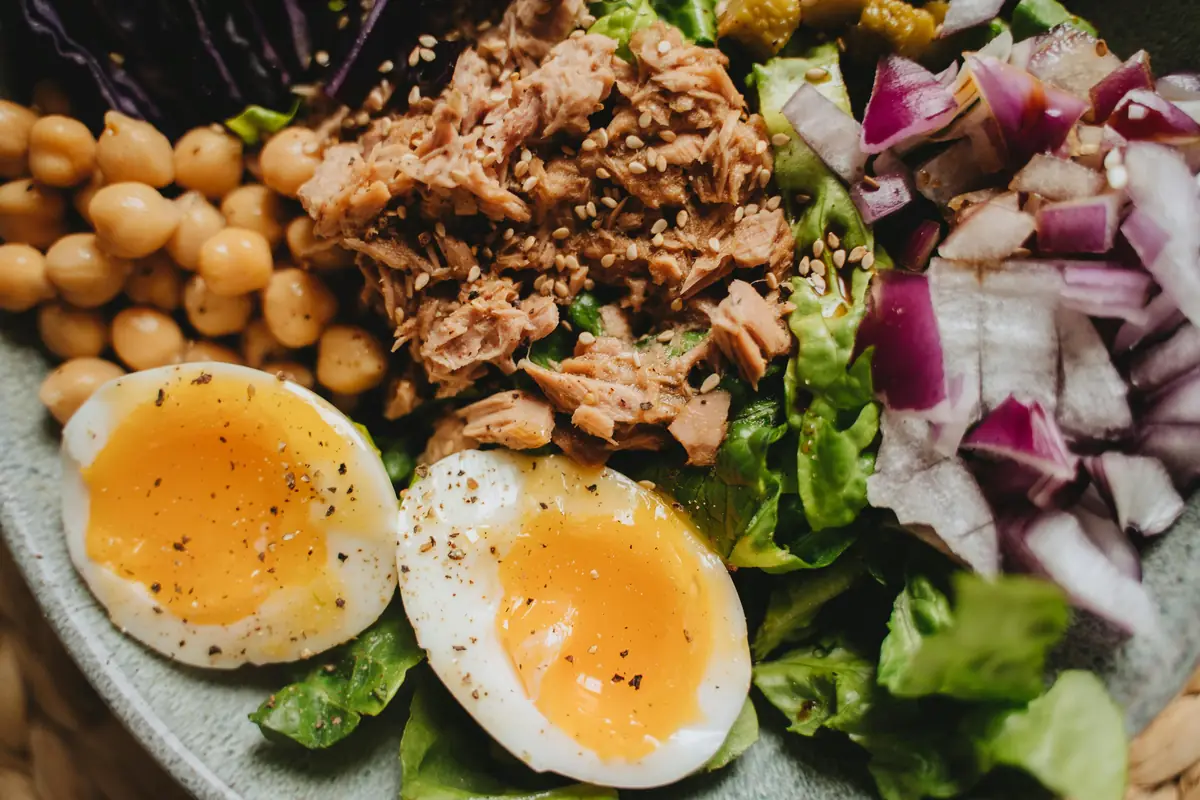
Protein: The Most Underconsumed Macronutrient in Women

The research on protein is consistent: most women consume significantly less than what the evidence supports as optimal, particularly as they age.
The standard recommendation of 0.8 grams per kilogram of body weight per day was established as a minimum to prevent deficiency, not as an optimal intake. More recent research, including position statements from sports nutrition and gerontology bodies, suggests that 1.2 to 1.6 grams per kilogram per day is more appropriate for active women, and that requirements increase further in older women to counteract age-related muscle loss.
Adequate protein intake supports several functions particularly relevant to women’s health. It preserves lean muscle mass during caloric restriction, which matters enormously for metabolic rate and long-term weight management. It provides the building blocks for hormones, neurotransmitters, and immune proteins. It promotes satiety more effectively than carbohydrates or fats at equivalent caloric loads. And it supports skin collagen synthesis, which becomes a relevant concern as estrogen declines.
Practical sources with the strongest evidence include eggs, fish, legumes, dairy, and lean meats. Plant-based sources can meet protein needs when diverse enough to cover the full amino acid profile.
💪 Omega-3 (EPA + DHA) Most women who do not consume fatty fish 2-3 times per week will benefit from supplementation. The anti-inflammatory effects, cardiovascular protection, and reduction of menstrual pain are among the most consistently supported benefits in the nutritional literature.
Check Omega-3 EPA+DHA on Amazon →Iron: The Most Common Deficiency in Premenopausal Women

Iron deficiency is the most prevalent nutritional deficiency globally, and premenopausal women are the demographic most affected. Menstrual blood loss is the primary driver, and the impact on energy, cognitive function, immune response, and mood can be significant well before levels drop low enough to produce clinical anemia.
The recommended dietary allowance for iron in premenopausal women is 18 mg per day, compared to 8 mg for men. Women with heavy menstrual cycles may need more.
Dietary sources with highest bioavailability include red meat, organ meats, shellfish, and dark leafy greens. Non-heme iron from plant sources is absorbed less efficiently but absorption increases substantially when consumed alongside vitamin C. Conversely, calcium and tannins (in tea and coffee) inhibit absorption when consumed at the same meal.
Supplementation without confirmed deficiency is not recommended, as excess iron has its own risks. A serum ferritin level below 30 ng/mL is generally considered to indicate suboptimal stores even in the absence of frank anemia, and is worth discussing with a physician.
Calcium and Vitamin D: The Bone Health Partnership
Bone density peaks in the late twenties and declines gradually thereafter, with the rate of loss accelerating significantly in the years surrounding menopause due to declining estrogen. The nutritional inputs most relevant to this trajectory are calcium and vitamin D, which work in tandem.
Calcium provides the structural mineral for bone tissue. The recommended intake for women is 1,000 mg per day until age 50, increasing to 1,200 mg per day after menopause. Dairy, fortified plant milks, sardines with bones, and leafy greens are reliable dietary sources.
Vitamin D regulates calcium absorption in the intestine and is critical for bone mineralization. Deficiency is extremely common, affecting an estimated 40 to 80 percent of adults in northern latitudes and those with limited sun exposure. Beyond bone health, vitamin D influences immune function, mood regulation, and inflammatory processes.
Most women require supplementation to maintain optimal vitamin D levels. A dose of 1,000 to 2,000 IU per day is commonly recommended, though the appropriate amount depends on baseline levels measured through blood testing.
☀️ Vitamin D3 + K2 Most women require supplementation to maintain optimal vitamin D levels, particularly those in northern latitudes or with limited sun exposure. K2 (MK-7 form) ensures the calcium absorbed under vitamin D's influence reaches bone tissue rather than arterial walls.
Check Vitamin D3 + K2 on Amazon →Magnesium: The Overlooked Essential
Magnesium participates in over 600 enzymatic reactions and is involved in energy production, protein synthesis, muscle and nerve function, blood glucose regulation, and blood pressure. Despite its importance, dietary surveys consistently find that a large proportion of women consume less than the recommended 310 to 320 mg per day.
The symptoms of suboptimal magnesium are non-specific (fatigue, muscle cramps, sleep disruption, anxiety, and headaches) and frequently attributed to other causes. Several clinical trials have demonstrated that magnesium supplementation reduces the severity of premenstrual symptoms including mood changes, bloating, and cramping.
Reliable dietary sources include dark leafy greens, nuts, seeds, whole grains, and dark chocolate. Magnesium glycinate or magnesium malate are well-tolerated supplemental forms with good absorption.
🌙 Magnesium Glycinate Magnesium glycinate and magnesium malate are the well-tolerated supplemental forms with the best absorption profiles. Glycinate is particularly useful for those using magnesium primarily for sleep quality and stress management.
Check Magnesium Glycinate on Amazon →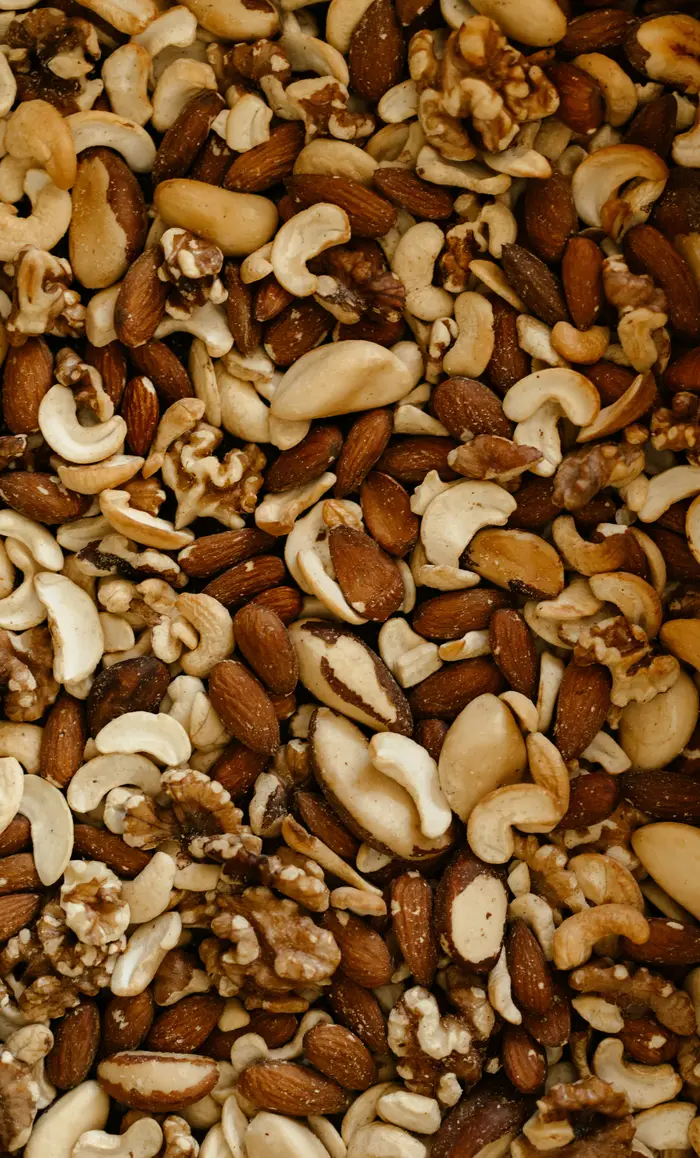
Omega-3 Fatty Acids: Anti-Inflammatory Support
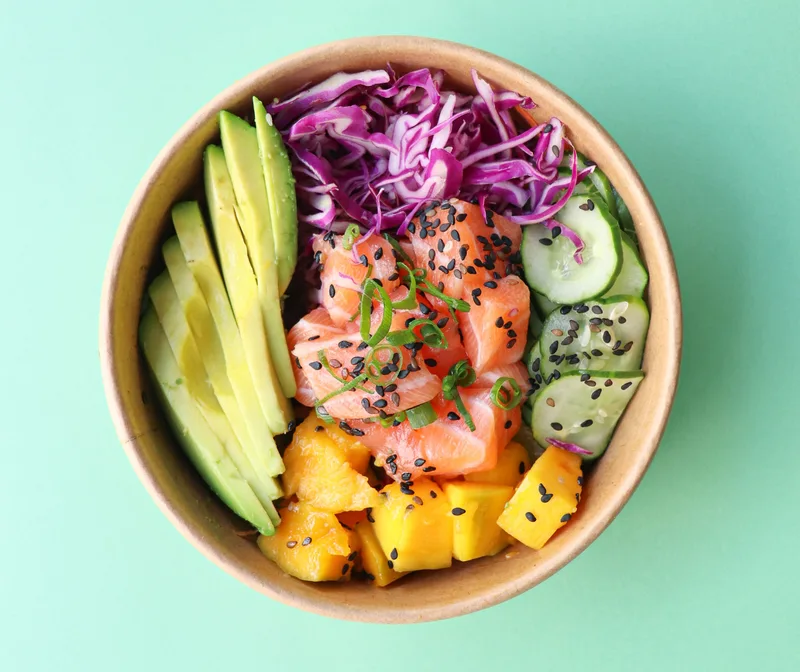
The long-chain omega-3 fatty acids EPA and DHA, found primarily in fatty fish and algae, have one of the most robust evidence bases in nutritional science. Their anti-inflammatory effects are well-documented, and their role in cardiovascular health, cognitive function, and mood regulation is supported by multiple large-scale studies.
For women specifically, omega-3 intake is associated with reduced menstrual pain through modulation of prostaglandin pathways, improved outcomes in mood-related conditions including postnatal depression, and cardiovascular protection that becomes increasingly relevant after menopause.
Recommended intake is two to three servings of fatty fish per week. For those who do not consume fish, algae-derived DHA and EPA supplements are the most evidence-supported alternative.
Folate: Critical Across the Reproductive Years

Folate (vitamin B9) is required for DNA synthesis and cell division. Its importance in preventing neural tube defects during early pregnancy is well-established, which is why supplementation is recommended for all women of childbearing age regardless of whether pregnancy is planned.
Beyond pregnancy, folate plays a role in cardiovascular health through its effect on homocysteine metabolism, and deficiency has been associated with increased risk of certain cancers and mood disorders.
Dietary sources include dark leafy greens, legumes, fortified cereals, and citrus fruits. The synthetic form, folic acid, is more bioavailable than naturally occurring folate from food sources.
Vitamin B12: Easy to Miss, Important to Catch
Vitamin B12 is required for red blood cell formation, neurological function, and DNA synthesis, and deficiency develops slowly enough that symptoms (fatigue, brain fog, tingling in the hands and feet) are often attributed to stress or aging long before anyone checks a blood level.
Two groups of women face meaningfully elevated risk and rarely realize it. The first is anyone following a vegetarian or vegan diet, since B12 is found almost exclusively in animal products and reliable plant sources do not exist; supplementation or fortified foods are not optional in this case, they are the only practical way to maintain adequate levels. The second, less widely known group is women taking metformin, a medication commonly prescribed for type 2 diabetes and PCOS-related insulin resistance. A secondary analysis of the long-running Diabetes Prevention Program Outcomes Study found that long-term metformin use was associated with a significantly higher rate of low and borderline-low B12 levels compared to placebo, with each additional year of use further increasing the risk. This is a genuinely underappreciated interaction, since metformin is widely prescribed and B12 testing is not routinely paired with it in most clinical settings.
Dietary sources include meat, fish, eggs, and dairy. For those in either risk group, periodic blood testing rather than guessing is the most reliable way to know whether supplementation is actually needed.
Dietary Patterns Over Individual Foods
The most consistent finding in nutritional epidemiology is that overall dietary patterns predict health outcomes more reliably than any individual food or nutrient. Two patterns with the strongest evidence base for women’s long-term health are:
The Mediterranean pattern emphasizes vegetables, fruits, legumes, whole grains, fish, olive oil, and moderate dairy. It is consistently associated with reduced cardiovascular disease, lower inflammatory markers, better cognitive aging, and in some studies, improved hormonal balance and fertility outcomes.
Whole food plant-rich patterns with adequate protein planning have demonstrated benefits for cardiovascular health, cancer prevention, and metabolic function. The key caveat is that plant-exclusive diets require attention to vitamin B12, iron, omega-3s, calcium, and zinc to avoid deficiencies.
Ultra-processed foods, defined by their industrial formulation with additives, refined ingredients, and minimal whole food content, are consistently associated with worse health outcomes across virtually every metric studied. This is not primarily about calories; the evidence suggests effects on the gut microbiome, inflammatory pathways, and appetite regulation that are independent of energy content.
🌿 PrimeBiome Gut microbiome diversity directly reflects dietary diversity. For women whose digestive comfort affects their ability to maintain a varied diet, Bacillus Coagulans with prebiotic inulin provides targeted support for the gut ecosystem that dietary pattern improvements are designed to feed.
Learn More About PrimeBiome →Nutritional Needs Across Life Stages

Requirements shift at several key points. During the reproductive years, iron and folate deserve particular attention. During pregnancy and lactation, caloric and protein needs increase substantially, alongside requirements for iodine, choline, and DHA. In perimenopause and menopause, calcium, vitamin D, and protein become increasingly important as bone density, muscle mass, and metabolic rate are all under pressure.
A baseline blood panel including iron, ferritin, vitamin D, B12, magnesium, and a lipid profile provides a rational foundation for identifying where supplementation is genuinely warranted rather than guessed at.
References:
- Morton RW, et al. (2018). A systematic review, meta-analysis and meta-regression of the effect of protein supplementation on resistance training-induced gains in muscle mass. British Journal of Sports Medicine, 52(6), 376-384. PubMed
- Hallberg L, et al. (1992). Calcium: effect of different amounts on nonheme and heme-iron absorption in humans. American Journal of Clinical Nutrition, 53(1), 112-119. ScienceDirect
- Calder PC. (2017). Omega-3 fatty acids and inflammatory processes: from molecules to man. Biochemical Society Transactions, 45(5), 1105-1115. PubMed
- de Baaij JHF, Hoenderop JGJ, Bindels RJM. (2015). Magnesium in man: implications for health and disease. Physiological Reviews, 95(1), 1-46. PubMed
- Aroda VR, et al. (2016). Long-term metformin use and vitamin B12 deficiency in the Diabetes Prevention Program Outcomes Study. Journal of Clinical Endocrinology & Metabolism, 101(4), 1754-1761. PubMed
For more on how nutrition intersects with hormonal health and skin biology, explore the related articles on BioFlowBeauty.