The average woman applies over 10 personal care products before leaving the house in the morning, exposing herself to hundreds of distinct chemical compounds. Most of these are safe. Some warrant genuine attention. And the challenge for anyone trying to make informed decisions is that online discourse tends to swing between dismissing all concerns as fearmongering or treating every synthetic ingredient as an urgent threat.
This article takes a more calibrated approach: reviewing what the actual evidence says about the ingredients most frequently flagged in makeup and cosmetics.
How Cosmetic Safety Is Regulated
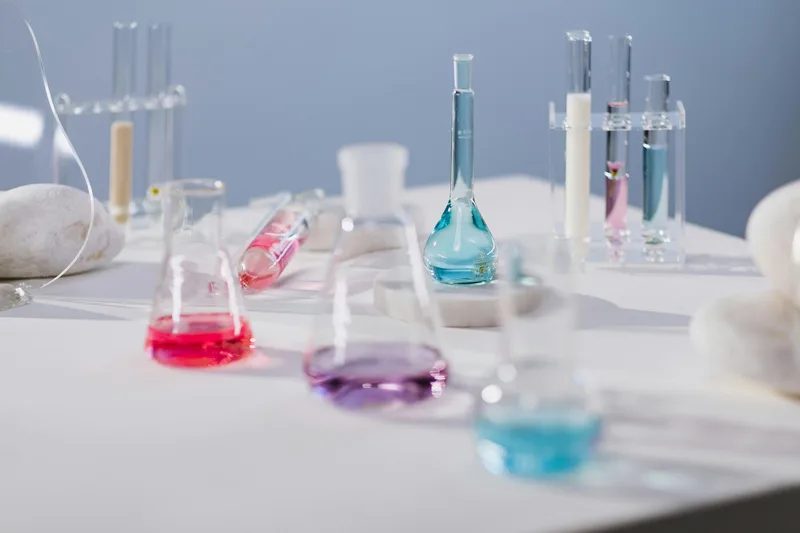
In the United States, cosmetics are regulated under the Federal Food, Drug, and Cosmetic Act, which gives the FDA significantly less authority over cosmetics than over drugs. Companies are not required to demonstrate safety before bringing a product to market. The FDA can take action against products shown to be harmful, but the burden of proof effectively sits with regulators rather than manufacturers.
The European Union operates under a more precautionary framework: over 1,300 substances are prohibited or restricted in EU cosmetics, compared to approximately 11 in the US. This does not mean EU products are necessarily safer, but it does mean the regulatory philosophies differ substantially.
The Modernization of Cosmetics Regulation Act (MoCRA), passed in the US in 2022, expanded FDA authority somewhat, requiring manufacturers to register facilities and submit product safety data. However, it still does not require pre-market safety approval. The regulatory gap between drugs and cosmetics in the US remains substantial.
Understanding this context matters because “approved for use in cosmetics” does not carry the same evidentiary weight as “demonstrated safe in clinical trials.”
Ingredients Worth Understanding
Parabens
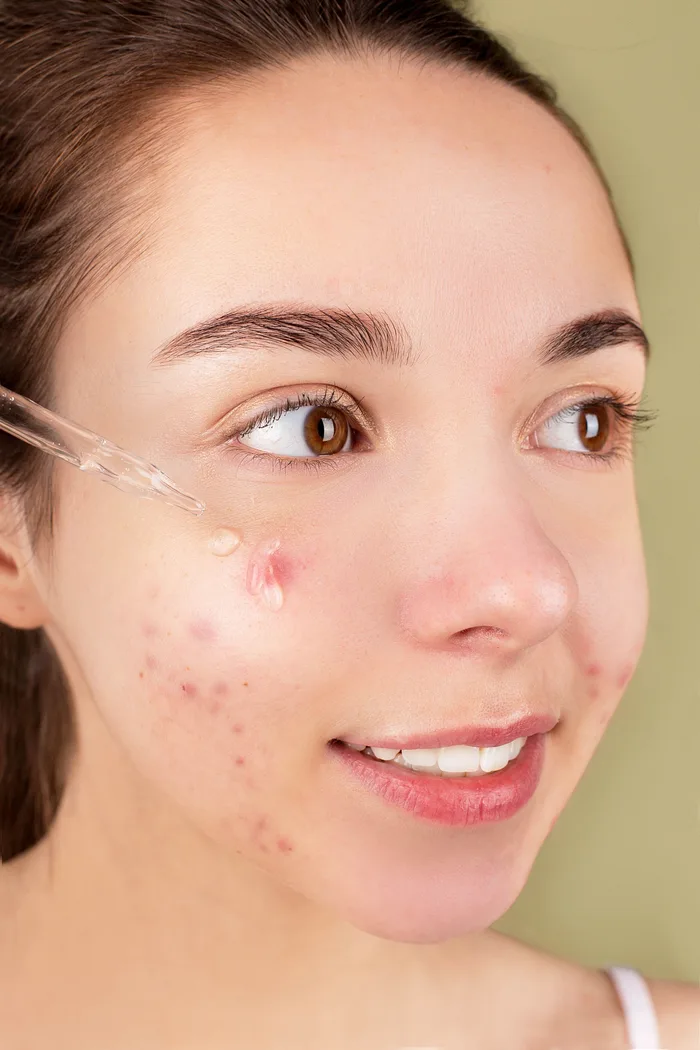
Parabens (methylparaben, propylparaben, butylparaben) are preservatives used to prevent bacterial and fungal growth in cosmetics. They were flagged for concern following a 2004 study that detected parabens in breast tumor tissue. Subsequent research showed that parabens have weak estrogenic activity in laboratory settings.
The current scientific consensus is more nuanced than either dismissal or alarm suggests. Parabens do have measurable estrogenic activity, but it is estimated to be 10,000 to 100,000 times weaker than endogenous estrogen. The concentrations used in cosmetics are low, and dermal absorption is limited. Major regulatory bodies including the European Scientific Committee on Consumer Safety have concluded that parabens at currently permitted concentrations do not pose a risk to human health.
That said, the precautionary principle has led many manufacturers to reformulate without parabens. If you prefer to avoid them, alternatives exist. But “paraben-free” does not automatically mean safer, and replacement preservatives have their own safety profiles worth evaluating.
PFAS (Per- and Polyfluoroalkyl Substances)
PFAS are a large class of synthetic fluorinated compounds used in some cosmetics for their water-resistance, texture, and longevity properties. They are found in certain foundations, mascaras, lip products, and sunscreens.
Unlike parabens, the concern around PFAS is more substantiated. These compounds are extraordinarily persistent in both the environment and the human body (hence the term “forever chemicals”), and epidemiological research has associated high PFAS exposure with thyroid disruption, immune dysfunction, and increased cancer risk. The word “high” is doing important work in that sentence, as most exposure comes from contaminated water and food rather than cosmetics, but cosmetic sources are additive.
The FDA and EPA are actively reassessing PFAS regulations. Several states have passed legislation restricting PFAS in cosmetics. Given the persistence of these compounds and the growing body of evidence on health effects at accumulating exposures, this is an area where I consider caution reasonable.
Checking ingredient lists for terms ending in “-fluoro” or “-perfluoro” is a practical starting point.
Fragrances
Fragrance is among the most common contact allergens in cosmetics. Because fragrance formulas are considered trade secrets, manufacturers are not required to disclose the individual compounds used. “Fragrance” or “parfum” on an ingredient list can represent dozens of distinct chemicals.
Known sensitizing fragrance components include limonene, linalool, cinnamal, and eugenol, among many others. Fragrance allergy can develop after years of exposure without prior reaction, and once sensitized, reactions can be triggered by very small amounts.
For individuals with sensitive skin, reactive skin, or conditions like rosacea or eczema, fragrance-free formulations are strongly supported by dermatological literature.
💧 JiYu Niacinamide Toning Pads are fragrance-free and formulated with niacinamide, snail mucin, and centella for barrier support and redness reduction. A practical daily-use option for women managing sensitive or reactive skin post-makeup.
Check JiYu Niacinamide Pads on Amazon →Phthalates
Phthalates are a separate class of chemicals worth understanding alongside fragrances, since the two are often linked in practice. Diethyl phthalate (DEP) is commonly used to help fragrance scents linger on skin, and because “fragrance” is treated as a trade secret, DEP rarely appears as a separate named ingredient even when present. Dibutyl phthalate (DBP) serves a different function in nail polish, where it reduces brittleness and cracking.
Phthalates are recognized endocrine disruptors. The European Commission classifies DBP as a substance of high concern for reproductive toxicity, and it has been banned from cosmetics in the EU since 2004, though it remains permitted in the US at this time. Human biomonitoring studies consistently detect phthalate metabolites in urine across the general population, confirming that exposure is widespread rather than theoretical. The health associations identified in the epidemiological literature include altered reproductive hormone levels, effects on fertility, and developmental concerns with prenatal exposure, which is part of why this category warrants similar attention to PFAS rather than the more reassuring picture that applies to parabens.
Because phthalates hide behind the word “fragrance” on most labels, the most practical step is choosing fragrance-free products for daily-use items, and specifically checking nail polish labels for “DBP-free” or “3-free” designations, while being aware that some reformulated products have simply substituted one plasticizer for another with a less established safety profile, so the absence of DBP specifically does not guarantee the absence of all phthalate-related concern.
Benzophenones and UV Filters
Some synthetic UV filters used in sunscreens, including oxybenzone (benzophenone-3), have raised concern due to measurable systemic absorption through the skin. Oxybenzone has been detected in blood, urine, and breast milk after topical application. It has weak estrogenic activity in laboratory studies, though the clinical significance at typical exposure levels is debated.
For daily use sunscreens applied over large body surface areas, particularly in children, mineral alternatives containing zinc oxide or titanium dioxide avoid this question entirely. The evidence on mineral filters is well-established, the safety profile is clean, and they provide broad-spectrum protection without absorption concerns.
Heavy Metals
Trace levels of heavy metals including lead, arsenic, mercury, and cadmium have been detected in various cosmetic products, particularly lipsticks, foundations, and eyeshadows. These are often contaminants from raw material sourcing rather than intentional additives.
The FDA has set guidance levels for some heavy metals in cosmetics, but these are not enforceable limits. Independent testing by organizations like the Campaign for Safe Cosmetics has found that some products exceed even these non-binding guidance levels.
Lead in particular has no established safe level of exposure, and lip products carry a higher absorption concern given the likelihood of ingestion. Choosing products from brands that conduct third-party heavy metal testing is a reasonable precaution.
Talc and Asbestos
Talc is a mineral used as a filler and absorbent in many cosmetics including face powders, blush, and eyeshadow. The concern is that talc deposits can be naturally contaminated with asbestos, a known carcinogen.
The FDA has tested various talc-containing cosmetics and found asbestos contamination in some products. Major brands have faced litigation. This is not a theoretical risk, and it applies particularly to products used in areas with mucosal exposure.
Hair Dye: What the Evidence Shows

Permanent hair dyes contain reactive chemicals, most notably p-phenylenediamine (PPD) and related aromatic amines, that penetrate the hair shaft and react to produce color. These compounds can cause allergic contact dermatitis, and patch testing before first use is standard dermatological advice.
The epidemiological literature on hair dye and cancer risk is mixed. Some studies have found associations with bladder cancer and non-Hodgkin lymphoma, particularly in hairdressers with occupational exposure. For consumers using hair dye periodically, the evidence for increased cancer risk is less consistent and the absolute risk differences, where observed, are small.
What is well-established is the allergy risk: PPD sensitization is common and can be severe. Reactions can worsen with repeated exposures. Henna (plant-derived) is often positioned as a natural alternative, but black henna products frequently contain added PPD to achieve darker shades, making them at least as sensitizing as conventional dyes. Pure plant henna without additives is genuinely lower-risk but limited in color range.
For women who want to reduce frequency of chemical exposure while maintaining color, root blurring techniques, ammonia-free formulations, and extended intervals between full applications are practical harm reduction strategies that do not require eliminating hair color entirely.
Those with a history of allergic reactions to hair dye should approach re-exposure with caution and dermatological guidance.
Practical Guidance
The most impactful changes in terms of reducing chemical exposure are not necessarily the most obvious ones. Switching to fragrance-free formulations for products used daily in large quantities (moisturizer, body lotion, shampoo) reduces cumulative exposure more than eliminating a lipstick used occasionally. Prioritizing cleaner formulations for products left on the skin for extended periods (foundation, sunscreen, lotion) matters more than occasional use products that are washed off.
For women who are pregnant or planning pregnancy, the precautionary approach takes on additional relevance. Several cosmetic ingredients have been studied for fetal effects at high exposures, and reducing unnecessary chemical burden during pregnancy is a reasonable application of the precautionary principle even where human evidence is incomplete.

- Read ingredient lists. The fewer unfamiliar ingredients in a product, the easier it is to evaluate.
- Check the Environmental Working Group’s Skin Deep database (ewg.org/skindeep) as a starting reference, while recognizing it applies a precautionary framework that not all toxicologists agree with.
- Prioritize fragrance-free formulations if you have sensitive or reactive skin.
- For lip products used daily, consider options from brands with published heavy metal testing.
- Wash makeup brushes and sponges weekly. Studies have found that inadequately cleaned applicators harbor pathogenic bacteria including Staphylococcus aureus and E. coli, which can cause eye and skin infections.
- Observe product expiration dates, particularly for mascara and liquid eyeliners, which are high-risk for microbial contamination due to their direct application near the eye.
- Patch test before using any new product, particularly anything containing PPD or high fragrance concentrations.
- When possible, choose products formulated without PFAS, particularly for products used frequently in high quantities.
References:
- Darbre PD, et al. (2004). Concentrations of parabens in human breast tumours. Journal of Applied Toxicology, 24(1), 5-13. PubMed
- Calafat AM, et al. (2010). Urinary concentrations of four parabens in the U.S. population: NHANES 2005–2006. Environmental Health Perspectives, 118(5), 679-685. PubMed
- Kim KB, et al. (2021). Current opinion on risk assessment of cosmetics. Journal of Toxicology and Environmental Health, Part B, 24(4), 137-161. PubMed
- Schaider LA, et al. (2017). Fluorinated compounds in U.S. fast food packaging. Environmental Science & Technology Letters, 4(3), 105-111. PubMed
- Hubinger JC. (2010). A survey of phthalate esters in consumer cosmetic products. Journal of Cosmetic Science, 61(6), 457-465. PubMed
💅 Kerassentials For nail and surrounding skin health, this topical oil formula combines FDA-recognized undecylenic acid with tea tree, lavender, and lemongrass oil. Nail health is part of skin health.
Learn More About Kerassentials →For more on the science behind skin health, explore the skincare ingredients article on BioFlowBeauty, which covers what the evidence actually supports for acne, aging, and barrier repair.