The word “hormones” has become a catch-all explanation in wellness culture for everything from mood changes and weight gain to skin problems and fatigue. While this reflects genuine underlying biology, it also creates confusion, as symptoms are attributed to “hormone imbalance” without meaningful specificity, and solutions are sold on that basis without meaningful evidence.
This article focuses on what the science actually shows about female hormonal health across the lifespan: how the major hormonal systems work, what disrupts them, and what interventions have a solid evidence base.
The Menstrual Cycle as a Vital Sign
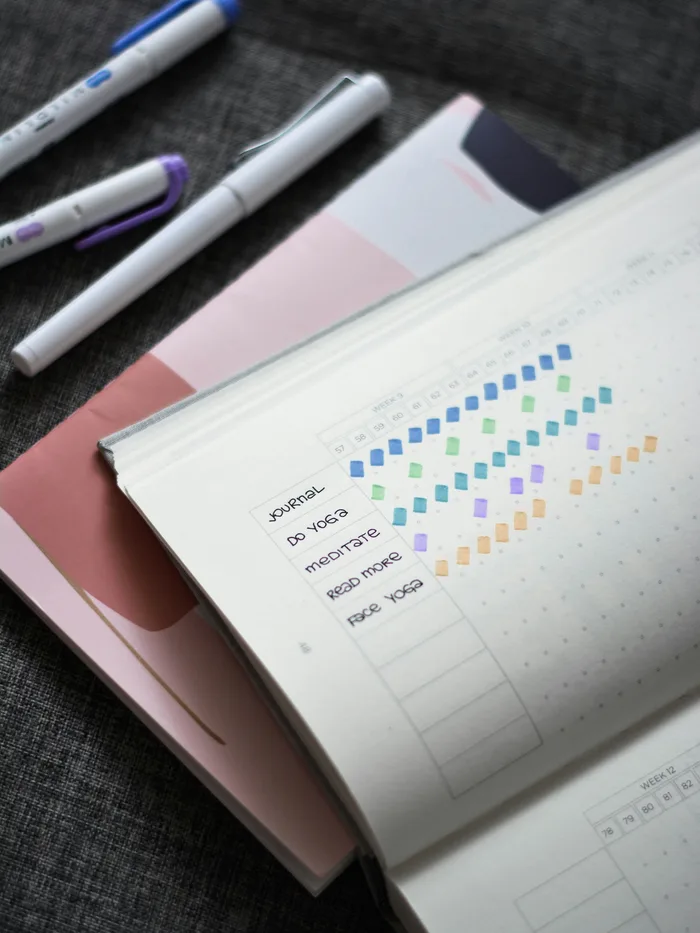
The menstrual cycle is far more than a reproductive event. It is a sensitive indicator of overall physiological health. Disruptions including irregular cycles, very heavy or very light periods, absent periods, or severe premenstrual symptoms often reflect underlying health issues rather than being problems in isolation.
The American College of Obstetricians and Gynecologists formally recognized the menstrual cycle as a vital sign in 2015, alongside blood pressure, heart rate, temperature, and respiratory rate.
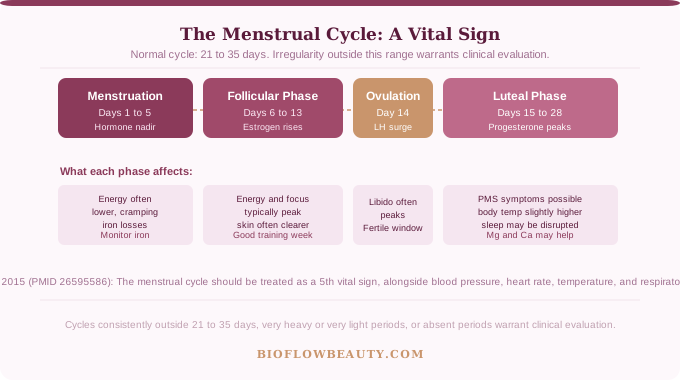
The reasoning is straightforward: just as consistent blood pressure outside the normal range signals cardiovascular pathology, consistent menstrual irregularity signals endocrine dysfunction worth investigating.
A normal cycle ranges from 21 to 35 days in length, with menstruation lasting 2 to 7 days. Cycle length can vary somewhat between individuals while still reflecting healthy function.
The key hormones driving the cycle include:
Estrogen rises during the follicular phase, stimulating endometrial growth and driving ovulation when it peaks. Estrogen also affects bone density, cardiovascular function, skin collagen production, mood regulation, and cognitive function.
Progesterone rises after ovulation during the luteal phase, preparing the endometrium for potential implantation and contributing to the thermal shift detectable in basal body temperature tracking. Low progesterone in the luteal phase is associated with spotting, short cycles, and premenstrual symptoms.
Testosterone (present in women at lower concentrations than in men but physiologically significant) influences libido, energy, muscle maintenance, and mood.
LH and FSH (luteinizing hormone and follicle-stimulating hormone) are the pituitary signals that drive ovulation and regulate estrogen and progesterone production.
Specific patterns that warrant clinical attention include cycles consistently shorter than 21 days or longer than 35 days, very heavy bleeding (soaking through a pad or tampon in under an hour for several consecutive hours), intermenstrual bleeding, and complete absence of periods in non-pregnant women (amenorrhea) for three or more months. None of these are normal variations. Each of them has a differential diagnosis that starts with hormonal assessment.
Premenstrual Symptoms: What the Evidence Supports
Premenstrual syndrome (PMS) affects a significant proportion of women during the luteal phase. Premenstrual dysphoric disorder (PMDD) is a more severe form that substantially impairs daily function.
The biological mechanisms are not fully elucidated, but the prevailing evidence implicates sensitivity to normal hormonal fluctuations (rather than abnormally high or low hormone levels), with downstream effects on serotonin, GABA, and other neurotransmitter systems.
What the research supports for reducing premenstrual symptoms:
Calcium supplementation has the most consistent evidence base of any nutritional intervention for PMS, with multiple randomized controlled trials showing reductions in mood symptoms, cramps, and food cravings. Doses studied are typically around 1,000 to 1,200 mg per day.
Magnesium has demonstrated benefit in several trials for reducing bloating, mood changes, and headaches associated with the luteal phase.
Aerobic exercise consistently reduces PMS severity across studies. The mechanism involves endorphin release, serotonin modulation, and reduction of prostaglandin-mediated cramping.
Dietary modifications with some evidence include reducing refined sugar, caffeine, and alcohol during the luteal phase, and increasing complex carbohydrates (which support serotonin synthesis via tryptophan transport).
Vitex agnus-castus (chasteberry) has shown modest benefit in several trials for PMS, particularly for breast tenderness and mood symptoms, likely through dopaminergic mechanisms that reduce prolactin and modulate progesterone.
💊 Garden of Life Women's Multivitamin provides a comprehensive organic whole-food nutrient foundation including iron, biotin, vitamin D, and B vitamins. Nutritional gaps directly affect hormonal balance and energy throughout the cycle.
Check Garden of Life Multivitamin on Amazon →Thyroid Health and Its Intersection With Female Hormones

Thyroid disorders are significantly more common in women than in men, and thyroid dysfunction is among the most common causes of symptoms frequently attributed to “hormone imbalance”: fatigue, weight changes, hair loss, mood disturbances, and irregular cycles.
The thyroid gland produces T4 (thyroxine) and T3 (triiodothyronine), which regulate metabolism throughout the body. Thyroid function is modulated by TSH (thyroid-stimulating hormone) from the pituitary.
Hypothyroidism (underactive thyroid) produces symptoms including fatigue, weight gain, cold intolerance, constipation, brain fog, and hair thinning. Hashimoto’s thyroiditis, an autoimmune condition, is the most common cause in developed countries.
Hyperthyroidism (overactive thyroid) produces symptoms including weight loss, heart palpitations, anxiety, heat intolerance, and irregular periods. Graves’ disease is the most common autoimmune cause.
Estrogen influences thyroid hormone transport proteins, which is why thyroid function can shift with pregnancy, oral contraceptive use, and the menopause transition.
Standard TSH testing is the appropriate first-line screen. If TSH is abnormal, further evaluation of T4, T3, and thyroid antibodies provides additional diagnostic information. Many thyroid-related symptoms are non-specific, and diagnosis should be based on laboratory findings in conjunction with clinical assessment rather than symptoms alone.
Polycystic Ovary Syndrome (PCOS)
PCOS is the most common endocrine disorder in women of reproductive age, affecting an estimated 4 to 20% of women depending on which diagnostic criteria and population are studied, and it is frequently underdiagnosed or diagnosed only after years of unexplained symptoms.
Diagnosis follows the Rotterdam criteria, which require at least two of three features: irregular or absent ovulation, clinical or biochemical signs of androgen excess (acne, hirsutism, elevated testosterone), and polycystic ovarian morphology on ultrasound. This means PCOS is a genuine spectrum rather than a single presentation, and a woman with normal-appearing ovaries on ultrasound can still meet diagnostic criteria if the other two features are present, which is a common source of confusion.
Insulin resistance is present in a substantial proportion of women with PCOS, with estimates ranging widely (roughly 30 to 50% depending on the diagnostic threshold used) but consistently higher than in the general population. This is not incidental. Insulin resistance and androgen excess interact in a reinforcing cycle: elevated insulin stimulates ovarian androgen production directly, while reduced hepatic production of sex hormone-binding globulin, also driven by high insulin, increases the proportion of testosterone circulating in its active, unbound form. This is part of why interventions that improve insulin sensitivity, including resistance training, dietary changes that reduce glycemic load, and in some cases metformin, frequently improve the androgen-related symptoms of PCOS even though they do not target the ovaries directly.
The long-term health implications extend beyond fertility and cosmetic symptoms. Women with PCOS have meaningfully elevated risk for type 2 diabetes, metabolic syndrome, and cardiovascular risk factors, which is why a PCOS diagnosis reasonably prompts a broader metabolic workup rather than only a reproductive one.
Perimenopause and Menopause: The Transition in Evidence

Perimenopause, the transition to menopause, typically begins in the mid-to-late 40s and can last several years. It is characterized by declining and fluctuating estrogen levels, increasingly irregular cycles, and a range of symptoms that vary considerably between individuals.
Common perimenopausal symptoms include:
- Vasomotor symptoms (hot flashes, night sweats)
- Sleep disruption
- Mood changes including anxiety and depressed mood
- Vaginal dryness and genitourinary changes
- Cognitive changes (often described as brain fog)
- Changes in body composition, particularly increased visceral fat
- Accelerated bone density loss
Hormone therapy (HT) remains the most effective evidence-based treatment for vasomotor symptoms and has demonstrated benefits for bone density, genitourinary health, and quality of life. The evidence picture has become significantly clearer since the reanalysis of the Women’s Health Initiative data, which showed that risks associated with HT are more nuanced than initial reports suggested and are influenced substantially by age of initiation, type of hormones, and route of administration.
Current guidance from major menopause societies generally supports HT for healthy women under 60 or within 10 years of menopause onset who have moderate to severe symptoms, absent specific contraindications.
Genitourinary syndrome of menopause (GSM) encompasses vaginal dryness, discomfort, urinary urgency, and recurrent urinary tract infections resulting from estrogen-deficient changes to urogenital tissues. It affects a large proportion of postmenopausal women and unlike vasomotor symptoms, tends not to improve spontaneously over time. Local (vaginal) estrogen is highly effective, with minimal systemic absorption, and is considered appropriate for most women including those for whom systemic hormone therapy is not recommended.
Non-hormonal options with meaningful evidence for vasomotor symptoms include certain antidepressants (SSRIs, SNRIs), gabapentin, and more recently fezolinetant (a neurokinin 3 receptor antagonist). These are relevant for women who cannot or prefer not to use hormonal therapy.
Lifestyle factors with evidence for symptom reduction include: regular aerobic exercise (particularly for mood and sleep), dietary patterns lower in refined carbohydrates and alcohol (which can worsen vasomotor symptoms), and stress management practices.
🧠 Pineal Guardian combines Bacopa Monnieri, Ginkgo Biloba, Pine Bark Extract, and Lion's Mane targeting the cognitive and sleep changes that accompany perimenopause. The neurological effects of estrogen decline on sleep and memory are well-characterized, and neuroprotective botanicals address several of these pathways.
Learn More About Pineal Guardian →What “Hormone Balancing” Products Generally Cannot Do
A substantial category of supplements markets itself as supporting “hormone balance” using ingredients like DIM (diindolylmethane), maca, ashwagandha, and various botanical blends. The evidence for most of these is sparse to moderate at best, and the framing of “balancing hormones” rarely maps onto any specific, measurable physiological outcome.
This is not to say these ingredients are entirely without merit. Ashwagandha has demonstrated some evidence for cortisol reduction and may have modest effects on thyroid function. DIM influences estrogen metabolism pathways in ways that are biologically plausible but not well-characterized clinically. Maca has some evidence for perimenopausal symptom reduction.
But “hormone balancing” as a marketing category is largely undifferentiated. Before spending on supplements in this space, identifying the specific hormonal issue through blood work, and ideally working with a clinician, will produce far better outcomes than guessing.
Practical Next Steps
Monitoring your own patterns over time is one of the most valuable diagnostic tools available. A cycle tracker used consistently for three to six months will reveal whether irregularities are occasional or persistent, which makes the difference between normal variation and something worth investigating. Cycle apps have improved substantially as clinical tools, and some have received FDA clearance for specific purposes.
When discussing symptoms with a healthcare provider, bringing recorded data rather than relying on memory produces more productive conversations. Knowing that your luteal phase is consistently shorter than twelve days, or that your cycle length has changed by more than a week from your typical pattern, gives a clinician specific information to work with.
If you are experiencing symptoms that you suspect are hormonally related, a reasonable first approach includes:
- Track your cycle and symptoms for at least two to three months to identify patterns
- Request a hormonal panel from your physician including TSH, estrogen, progesterone (timed to your cycle if pre-menopausal), testosterone, LH, and FSH as appropriate
- Review lifestyle factors with the strongest evidence: sleep consistency, dietary protein and fiber, exercise, and stress management
- Approach supplements selectively, based on specific identified needs rather than general “hormone support” marketing
References:
- Thys-Jacobs S, et al. (1998). Calcium carbonate and the premenstrual syndrome: effects on premenstrual and menstrual symptoms. American Journal of Obstetrics and Gynecology, 179(2), 444-452. PubMed
- Facchinetti F, et al. (1991). Oral magnesium successfully relieves premenstrual mood changes. Obstetrics and Gynecology, 78(2), 177-181. PubMed
- American College of Obstetricians and Gynecologists. (2015). Menstruation in girls and adolescents: using the menstrual cycle as a vital sign. Obstet Gynecol, 126(6):e143-6. PubMed
- Rotterdam ESHRE/ASRM-Sponsored PCOS Consensus Workshop Group. (2004). Revised 2003 consensus on diagnostic criteria and long-term health risks related to polycystic ovary syndrome. Fertility and Sterility, 81(1), 19-25. PubMed
- Manson JE, et al. (2013). Menopausal hormone therapy and health outcomes. JAMA, 310(13), 1353-1368. PubMed
For more on the intersection of nutrition and hormonal health, and the evidence on specific conditions affecting women, explore the related articles on BioFlowBeauty.