Most conversations about probiotics focus on the gut. The mouth receives considerably less attention, despite being the entry point to the digestive system and harboring a complex microbial ecosystem with direct consequences for dental health, breath quality, gum condition, and even cardiovascular risk.
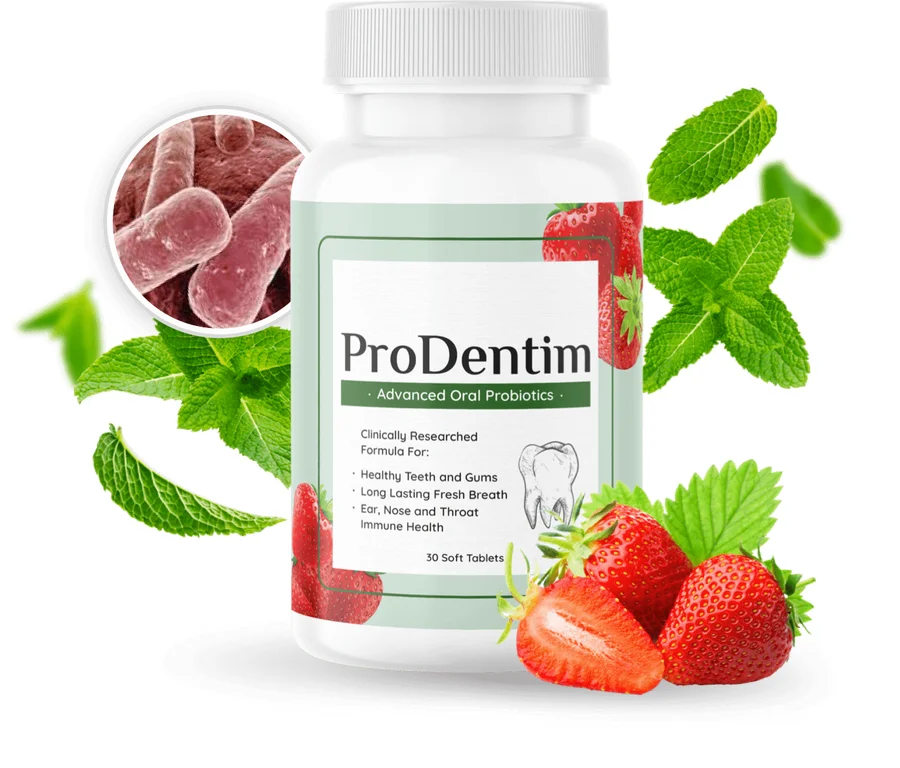
ProDentim is a soft chewable probiotic tablet formulated specifically for the oral microbiome. Its premise is that the modern diet, antiseptic mouthwashes, and fluoride-heavy dental products have disrupted beneficial bacteria in the mouth, and that restoring this balance through specific probiotic strains can improve dental and gum health in ways that brushing alone cannot address.
This review examines the evidence behind that premise and what the formula actually delivers.
The Oral Microbiome: Why It Matters
The human mouth contains over 700 bacterial species organized into a dynamic ecosystem on teeth, gums, and mucosal surfaces. In a healthy state, this ecosystem is dominated by beneficial Streptococcal species and Lactobacillus strains that produce antimicrobial compounds, maintain a stable pH, and compete with pathogens for surface adhesion sites.
Disruption of this balance through diet high in fermentable carbohydrates, excessive antiseptic use, or antibiotic exposure allows pathogenic species like Streptococcus mutans (primary driver of tooth decay) and Porphyromonas gingivalis (major periodontal pathogen) to overgrow. These pathogens produce acids that demineralize enamel, proteases that break down gum tissue, and inflammatory mediators that activate systemic immune responses.
The connection between oral dysbiosis and systemic health is increasingly well established. Periodontal bacteria have been found in atherosclerotic plaques, and periodontitis is an independent risk factor for cardiovascular disease, diabetes complications, and adverse pregnancy outcomes.
References:
- Hajishengallis G, et al. (2012). The keystone-pathogen hypothesis. Nature Reviews Microbiology, 10(10), 717-725. PubMed
- Tonetti MS, et al. (2013). Periodontitis and atherosclerotic cardiovascular disease. Journal of Periodontology, 84(4 Suppl), S24-S37. PubMed
What Is ProDentim
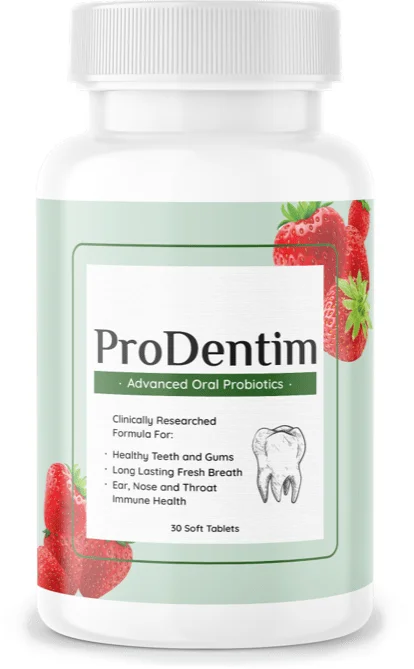
ProDentim delivers 3.5 billion colony-forming units of probiotic bacteria per soft tablet, alongside a proprietary blend of supporting compounds including inulin, malic acid, tricalcium phosphate, and peppermint. The soft dissolving tablet format is specifically relevant for oral probiotics: for strains to colonize the mouth, they need extended contact time with oral surfaces rather than being swallowed immediately in capsule form.

Ingredient Analysis


Lactobacillus paracasei Good Evidence
L. paracasei has documented activity in the oral cavity for reducing the prevalence and adhesion of Candida albicans (oral thrush pathogen) and supporting gum health. A randomized, placebo-controlled trial published in Clinical Oral Investigations found that L. paracasei SD1 supplementation significantly reduced salivary mutans streptococci counts over four weeks, a key indicator of cavity risk, with the effect persisting up to four weeks after stopping. This strain also produces bacteriocins that inhibit multiple oral pathogens and has demonstrated anti-inflammatory effects on gingival tissue through modulation of IL-6 and TNF-alpha.

Lactobacillus reuteri Good Evidence
L. reuteri is one of the best-studied oral probiotics in the literature. It produces reuterin, a broad-spectrum antimicrobial compound effective against both Streptococcal and periodontal pathogens. A 2022 systematic review and meta-analysis published in Nutrients, pooling data across probiotic supplementation trials including L. reuteri, found statistically significant improvements in plaque index, gingival index, and probing pocket depth compared to controls, alongside reductions in specific periodontal pathogens and the inflammatory marker IL-6. This strain also reduces pro-inflammatory cytokines in gingival tissue and has demonstrated effects on bleeding on probing, the clinical measure of active gum inflammation.

B. lactis BL-04 Moderate Evidence
Bifidobacterium lactis BL-04 is primarily known for its immune-modulating effects, with specific evidence for reducing upper respiratory infections. A randomized controlled trial published in Pediatrics (Leyer et al., 2009) found that daily supplementation with Lactobacillus acidophilus and B. lactis BL-04 significantly reduced the incidence and duration of cold and influenza-like symptoms in children compared to placebo. Its inclusion in an oral health formula is relevant through two mechanisms: general immune support that reduces susceptibility to oral infections, and evidence that Bifidobacterium strains modulate the systemic immune milieu in ways that may reduce gingival inflammatory load.
Inulin Good Evidence
A well-studied prebiotic fiber that selectively feeds beneficial bacteria including Lactobacillus and Bifidobacterium species. In the oral context, prebiotic support helps the probiotic strains maintain a competitive advantage over pathogens. There is also evidence that inulin reduces S. mutans adhesion to tooth surfaces through competitive substrate binding.
Malic Acid Moderate Evidence
Malic acid is a natural fruit acid included primarily for its salivary stimulation properties. Reduced salivary flow is a significant risk factor for both tooth decay and oral dysbiosis, as saliva contains antimicrobial proteins, buffers acid, and provides the aqueous medium for beneficial bacteria. Stimulating saliva production is a simple but meaningful contribution to oral health maintenance. Xerostomia (dry mouth) from medications, aging, or mouth breathing is consistently associated with higher cavity rates and pathogen prevalence.
Tricalcium Phosphate Moderate Evidence
Tricalcium phosphate provides bioavailable calcium and phosphate for enamel remineralization. Enamel is a crystalline structure primarily composed of hydroxyapatite (calcium phosphate). After acid challenge from bacterial metabolism or diet, the outer enamel layer partially demineralizes. In a neutral pH environment with adequate calcium and phosphate, remineralization can occur before cavities form. Tricalcium phosphate in a slowly dissolving tablet provides a local source of these minerals directly at the tooth surface.
References:
- Twetman S, et al. (2009). Short-term effect of chewing gums containing probiotic Lactobacillus reuteri on the levels of inflammatory mediators in gingival crevicular fluid. Acta Odontologica Scandinavica, 67(1), 19-24. DOI
- Vicario M, et al. (2013). Clinical changes in periodontal subjects with the probiotic Lactobacillus reuteri Prodentis. Acta Odontologica Scandinavica, 71(3-4), 813-819. DOI
- Teanpaisan R, Piwat S. (2014). Lactobacillus paracasei SD1, a novel probiotic, reduces mutans streptococci in human volunteers: a randomized placebo-controlled trial. Clinical Oral Investigations, 18(3), 857-862. PubMed
- Gheisary Z, et al. (2022). The clinical, microbiological, and immunological effects of probiotic supplementation on prevention and treatment of periodontal diseases: a systematic review and meta-analysis. Nutrients, 14(5), 1036. DOI
- Leyer GJ, et al. (2009). Probiotic effects on cold and influenza-like symptom incidence and duration. Pediatrics, 124(2), e172-179. PubMed
The Science Behind the Formulation

The chewable soft tablet format is the correct delivery mechanism for oral probiotics. For probiotic bacteria to colonize and exert effects in the mouth, they need contact time with mucosal surfaces, tooth enamel, and gingival tissue. A supplement that is swallowed immediately bypasses this entirely.
ProDentim’s strawberry mint flavor and slow-dissolving format are therefore not just cosmetic choices. They serve a functional purpose: encouraging the user to hold the tablet in the mouth long enough for the strains to make meaningful contact with oral surfaces.
Who Benefits Most
ProDentim is most appropriate for women dealing with recurrent gum sensitivity or bleeding, persistent bad breath that remains despite good oral hygiene, cavity-prone teeth despite regular brushing, dry mouth from medications or aging, or those who use antiseptic mouthwash regularly (which disrupts beneficial oral bacteria alongside pathogens).
It is less appropriate as a substitute for regular dental check-ups and professional cleaning in cases of established moderate to severe periodontitis, where mechanical removal of calculus and subgingival plaque is necessary. Oral probiotics are a supportive measure, not a replacement for professional dental care.
Pricing and Guarantee
ProDentim is sold through the official website with multi-bottle options at progressively lower per-unit prices. All purchases include a 60-day money-back guarantee, providing adequate time to observe changes in gum sensitivity, breath quality, and overall oral comfort.
🦷 ProDentim delivers 3.5 billion CFU of clinically studied oral probiotic strains including Lactobacillus reuteri and L. paracasei, in a strawberry-flavored soft tablet designed for slow oral dissolution. Produced in an FDA-registered, GMP-certified facility. 60-day money-back guarantee.
Get ProDentim (Official Site) →Honest Assessment
Biomedical Assessment
The oral probiotic concept is more evidence-grounded than most supplement categories. The two core strains, L. reuteri and L. paracasei, have specific clinical trial data for oral health applications, not just general probiotic research. L. reuteri in particular has a systematic review and meta-analysis specifically for periodontitis, which is a higher evidence standard than most supplements in this space can point to. The chewable format is the correct delivery mechanism for oral probiotics, and the supporting ingredients including inulin, tricalcium phosphate, and malic acid each have plausible and complementary roles in oral health. This is a rationally formulated product. For women dealing with gum sensitivity, cavity susceptibility, or persistent bad breath despite good hygiene habits, it represents a reasonable addition to standard dental care, not a replacement for it. Results require consistent daily use over several weeks, and the most reliably measurable outcome will be changes in gum comfort and bleeding.
Oral Health Across Women’s Life Stages
The oral microbiome does not exist in isolation from the rest of the body’s hormonal environment. In women, hormonal fluctuations create distinct periods of increased oral vulnerability that are worth understanding, particularly because they are rarely discussed in standard dental advice.
Puberty and adolescence bring rising estrogen and progesterone that increase gingival blood vessel permeability, making gum tissue more reactive to existing plaque. Teenagers who have never had gum problems may start noticing bleeding during brushing for reasons that have nothing to do with a change in hygiene quality.
The menstrual cycle produces a predictable rise in gum sensitivity in the luteal phase for many women. Progesterone at its pre-menstrual peak creates a local tissue environment that favours inflammatory response to pathogenic bacteria. Some women experience recurrent aphthous ulcers (canker sores) in a consistent pattern that tracks with their cycle, suggesting a hormonal component to oral mucosal immune regulation.
Pregnancy gingivitis affects the majority of pregnant women and is one of the clearest demonstrations of the hormone-oral health link. The exaggerated inflammatory response to plaque during pregnancy is well-documented, and untreated periodontal disease during pregnancy has been associated with preterm birth and low birthweight outcomes in the obstetric literature. Maintaining a healthy oral microbiome before and during pregnancy is a genuinely clinically relevant goal.
Menopause brings estrogen decline that affects the oral mucosa directly. Reduced salivary flow, increased mucosal sensitivity, and accelerated alveolar bone resorption all become more common. Women taking hormone therapy for menopausal symptoms have generally better oral health outcomes than untreated women in the postmenopausal years, consistent with estrogen’s direct protective role in oral tissue.
For women at any of these life stages, oral probiotics that support a competitive, health-associated oral microbiome provide a targeted complement to standard dental hygiene.
Frequently Asked Questions
How is ProDentim different from regular probiotic supplements? Regular gut probiotics are designed to survive stomach acid and colonize the intestine. ProDentim uses a soft dissolving format specifically so the probiotic strains make extended contact with oral surfaces before being swallowed. The strains are also selected specifically for oral health research rather than gut health applications.
When should I take ProDentim? The manufacturer recommends taking it in the morning. Ideally, take it after brushing and do not eat or drink for 20 to 30 minutes afterward to maximize the contact time with oral surfaces.
How long before I notice a difference? Most users report changes in breath freshness within 2 to 3 weeks. Changes in gum bleeding and sensitivity are typically more gradual and may take 6 to 8 weeks of consistent use.
Can I take ProDentim if I use antiseptic mouthwash? You can, but antiseptic mouthwash reduces oral bacterial populations broadly, including beneficial ones. If you use mouthwash regularly, consider whether it is necessary for your situation, or use it at a different time of day from ProDentim.
Is there a money-back guarantee? Yes, ProDentim includes a 60-day money-back guarantee on all purchases.
Affiliate disclosure: links in this post may earn me a commission at no cost to you. I only feature products I consider worth your attention based on their formulation and available scientific evidence.
This post is for informational purposes only and does not constitute medical advice. Always consult a qualified healthcare professional before starting any new supplement.
References:
- Hajishengallis G, et al. (2012). The keystone-pathogen hypothesis. Nature Reviews Microbiology, 10(10), 717-725. PubMed
- Tonetti MS, et al. (2013). Periodontitis and atherosclerotic cardiovascular disease. Journal of Periodontology, 84(4 Suppl), S24-S37. PubMed
- Twetman S, et al. (2009). Short-term effect of chewing gums containing probiotic Lactobacillus reuteri on inflammatory mediators in gingival crevicular fluid. Acta Odontologica Scandinavica, 67(1), 19-24. DOI
- Vicario M, et al. (2013). Clinical changes in periodontal subjects with the probiotic Lactobacillus reuteri Prodentis. Acta Odontologica Scandinavica, 71(3-4), 813-819. DOI
- Leyer GJ, et al. (2009). Probiotic effects on cold and influenza-like symptom incidence and duration. Pediatrics, 124(2), e172-179. PubMed
- Silk H. (2014). Diseases of the mouth. Primary Care: Clinics in Office Practice, 41(1), 75-90. Primary Care ENT