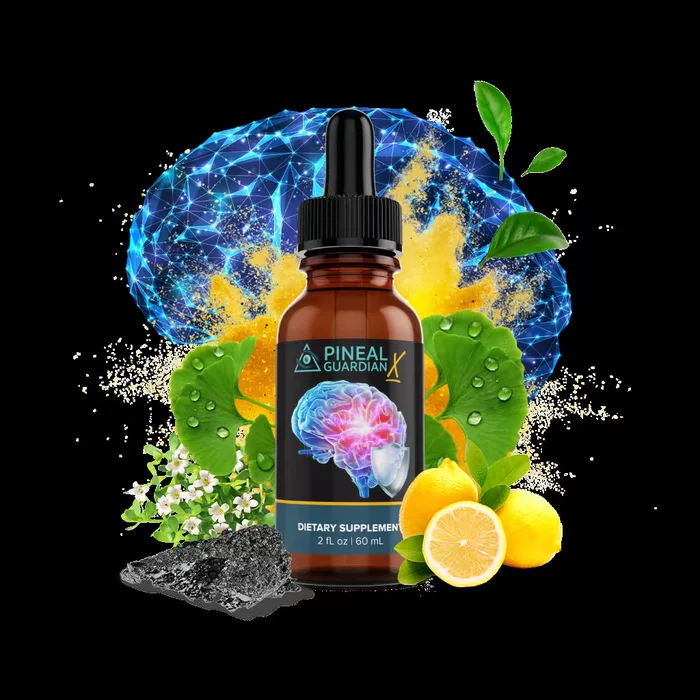
Memory lapses and cognitive fog are among the most common concerns for adults in their 40s and beyond. The inability to recall a name mid-sentence, the word that sits frustratingly out of reach, the mental sharpness that used to come effortlessly: these are experiences that motivate millions to seek effective, evidence-grounded cognitive support.
Pineal Guardian X enters this space with a specific mechanistic premise. The product is built around the idea that the pineal gland, a pine-cone-shaped endocrine organ deep in the brain, plays a central role in neuroprotection through melatonin production, and that calcification of this gland progressively impairs cognitive function. This review examines what the research actually shows about pineal biology, and whether the formula’s ingredient profile provides legitimate cognitive support.
The Pineal Gland and Melatonin: What the Science Shows
The pineal gland is a genuine focus of neuroscience research. It is the primary source of melatonin in the body, and melatonin’s role extends well beyond sleep regulation. Research demonstrates that melatonin acts as a direct neuroprotector, scavenging reactive oxygen species, reducing neuroinflammation, and supporting mitochondrial function in neurons.
Pineal calcification, the gradual deposition of calcium phosphate crystals in pineal tissue, is a real and well-documented phenomenon that increases with age and correlates with reduced melatonin output. A study by Mahlberg et al. (2009) demonstrated that the degree of pineal calcification correlates significantly with disrupted sleep architecture measured via polysomnography, providing a plausible bridge between pineal dysfunction and the sleep-dependent processes critical to memory consolidation.
What is more contested is the specific role of fluoride as the primary driver of calcification. Fluoride does accumulate in mineralised tissues throughout the body, including the pineal gland, and some animal research supports this mechanism. However, the clinical strength of fluoride-specific detoxification strategies in humans is not yet established at the level of randomised controlled trial evidence. This distinction matters because the formula’s ingredient evidence stands on much stronger ground than the fluoride-causation narrative alone.
Reference:
- Mahlberg R, et al. (2009). Degree of pineal calcification (DOC) is associated with polysomnographic sleep measures in primary insomnia patients. Sleep Medicine, 10(4), 439-445. PubMed
What Is Pineal Guardian X?
Pineal Guardian X is a liquid sublingual formula developed by Nutraville in collaboration with Dr. Blane Schilling, MD. Two full droppers are placed under the tongue before sleep. The sublingual delivery method allows active compounds to enter the bloodstream through the mucous membranes, bypassing first-pass hepatic metabolism and producing faster, potentially more complete absorption compared to standard capsules.
The formula is stimulant-free, non-habit-forming, and manufactured in an FDA-registered, GMP-certified facility in the United States. It comes with an industry-leading 365-day money-back guarantee, one of the most generous policies in the supplement category.
🧠 Pineal Guardian X combines Bacopa monnieri, Lion's Mane mushroom, Pine Bark Extract, Spirulina, Tamarind, Ginkgo Biloba and Moringa in a sublingual liquid formula for nightly cognitive support. 365-day money-back guarantee.
Learn More About Pineal Guardian X →Ingredient Analysis

Tamarind Extract
Tamarind (Tamarindus indica) is positioned as the fluoride-chelating centrepiece of the formula. Its active compounds include tartaric acid and polyphenols with documented binding affinity for heavy metals. Human studies have demonstrated increased urinary fluoride excretion following tamarind supplementation, with one trial reporting significant mobilisation of fluoride from soft tissues. As a hepatoprotective and antioxidant botanical, tamarind also supports liver function and reduces systemic oxidative stress independently of its chelation properties. Its inclusion is scientifically coherent within the formula's detoxification rationale.
Premium Spirulina
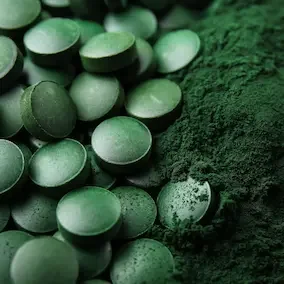
Spirulina (Arthrospira platensis) is a blue-green algae with one of the highest protein and tryptophan densities of any natural food source. Tryptophan is the direct amino acid precursor for serotonin, which in turn is converted by the pineal gland to melatonin via the serotonin-N-acetyltransferase pathway. Spirulina also contains phycocyanin, a potent antioxidant with documented neuroprotective properties, and C-phycocyanin has demonstrated the ability to reduce neuroinflammatory markers in several in vitro and animal models. For a formula targeting melatonin restoration, spirulina's tryptophan density makes it a rationally selected ingredient.
French Maritime Pine Bark Extract (Pycnogenol)
Pine Bark Extract standardised for proanthocyanidins (Pycnogenol) has one of the most extensive human clinical trial records of any botanical nootropic. Proanthocyanidins inhibit catechol-O-methyltransferase and nitric oxide synthase, increasing cerebral blood flow and reducing vascular oxidative stress. Multiple controlled trials have demonstrated improvements in cognitive parameters including working memory, attention, and processing speed with Pycnogenol supplementation. Its role in the formula is primarily vascular, improving the delivery of nutrients to the brain and maintaining the cerebral circulation on which all neurological function depends. This is a legitimate, well-studied cognitive support ingredient.

Bacopa Monnieri
Bacopa monnieri (Brahmi) is among the most clinically validated botanical nootropics available. Its active compounds, bacosides A and B, enhance synaptic transmission by increasing the expression of dendritic intersections in the hippocampus and prefrontal cortex. A double-blind, randomised, placebo-controlled trial by Roodenrys et al. (2002) demonstrated that 300 mg of Bacopa extract over 12 weeks produced a statistically significant improvement in the retention of new information in adults aged 40 to 65. The most notable finding was a meaningfully reduced rate of forgetting, which is exactly the cognitive dimension most relevant to the population this formula targets: not learning speed, but the ability to hold onto information once it is encoded.
Reference:
- Roodenrys S, et al. (2002). Chronic effects of Brahmi (Bacopa monnieri) on human memory. Neuropsychopharmacology, 27(2), 279-281. PubMed
Yamabushitake (Lion's Mane Mushroom)
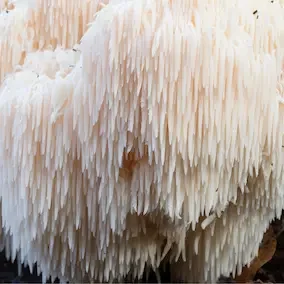
Hericium erinaceus (Lion's Mane) is the most cognitively active medicinal mushroom in the evidence base. It contains hericenones (from the fruiting body) and erinacines (from the mycelium), both of which stimulate Nerve Growth Factor (NGF) synthesis. NGF is essential for the maintenance and repair of cholinergic neurons in the basal forebrain, the neural populations most vulnerable to age-related degeneration. In vitro research by Mori et al. (2008) confirmed that Hericium erinaceus extracts promote NGF gene expression via JNK signalling in human astrocytoma cells and increase hippocampal NGF mRNA in vivo. A double-blind, placebo-controlled clinical trial by Mori et al. (2009) demonstrated statistically significant improvement in cognitive function scores in adults with mild cognitive impairment after 16 weeks of supplementation, with scores declining again after treatment ceased, confirming the on-treatment nature of the effect.
References:
- Mori K, et al. (2008). Nerve growth factor-inducing activity of Hericium erinaceus in 1321N1 human astrocytoma cells. Biological and Pharmaceutical Bulletin, 31(9), 1727-1732. PubMed
- Mori K, et al. (2009). Improving effects of the mushroom Yamabushitake (Hericium erinaceus) on mild cognitive impairment: a double-blind placebo-controlled clinical trial. Phytotherapy Research, 23(3), 367-372. DOI
Supporting Ingredients
Moringa Extract
Chlorella

Ginkgo Biloba

Neem
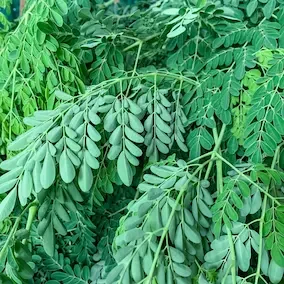
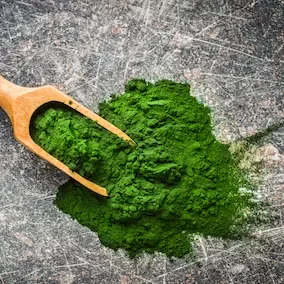
Moringa oleifera provides over 90 bioavailable micronutrients and is one of the densest botanical sources of antioxidants, protecting hippocampal neurons from oxidative damage. Chlorella supports heavy metal chelation, complementing Tamarind’s fluoride-targeting mechanism. Ginkgo biloba has decades of human clinical data supporting improved cerebral blood flow and memory function in older adults. Neem (Azadirachta indica) contributes neuroprotective polyphenols that reduce oxidative stress and support neuroplasticity.
Sublingual Delivery: Why It Matters

The sublingual liquid format is a genuine pharmacological advantage for several of the active ingredients. Bacopa bacosides are lipophilic compounds that benefit significantly from pre-systemic absorption. Lion’s Mane erinacines are relatively labile in the acidic gastric environment. Delivering these compounds sublingually reduces degradation and increases the fraction reaching systemic circulation compared to standard capsule formats. Sublingual bioavailability enhancement is pharmacologically well-established for lipophilic botanical compounds, so this is not simply a marketing choice.
🧠 Pineal Guardian X is formulated as a nightly sublingual liquid to maximise the absorption of cognitively active compounds. The 365-day money-back guarantee provides a full year to assess individual response, a genuine commitment from the manufacturer.
Learn More About Pineal Guardian X →What to Expect and When
The most consistently reported early change is sleep quality. Several ingredients in the formula converge on sleep architecture: Spirulina’s tryptophan loading supports the melatonin precursor pathway, while Bacopa has well-documented anxiolytic effects that ease the transition into deeper sleep. This is meaningful because sleep quality is not a cosmetic benefit. It is the primary mechanism through which the brain consolidates memory, clears metabolic waste through the glymphatic system, and repairs neuronal structures.
Cognitive improvements tend to follow more gradually. The Mori 2009 Lion’s Mane trial ran for 16 weeks. The Roodenrys Bacopa trial ran for 12 weeks. Users should commit to at least 8 to 12 weeks before evaluating cognitive outcomes, with the expectation that early changes in sleep and mental clarity will precede more measurable improvements in recall and word retrieval.

Comparison With Generic Brain Supplements
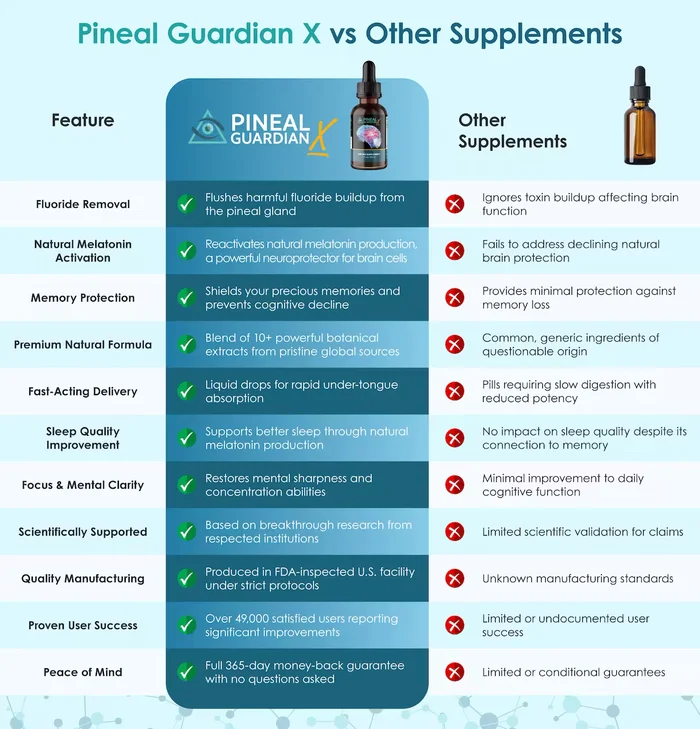
What distinguishes Pineal Guardian X from most cognitive supplements is not the fluoride narrative but the quality of evidence behind the key botanical ingredients. Bacopa monnieri has a double-blind RCT in adults specifically for memory retention. Lion’s Mane has a clinical trial in patients with mild cognitive impairment. Pine Bark Extract has multiple controlled trials for cerebrovascular function. These are among the best-studied cognitive support botanicals available, combined in a formula with a rationally designed delivery mechanism and an unusually strong guarantee.
Frequently Asked Questions
Can I take Pineal Guardian X with other medications? Several ingredients, particularly Ginkgo Biloba and Bacopa, can theoretically interact with blood thinners and certain psychiatric medications. Anyone on anticoagulants, antidepressants, or anti-anxiety medication should check with a doctor before starting.
Why is it taken at night rather than in the morning? The formula is designed around sleep-supportive ingredients, including Spirulina’s tryptophan content and Bacopa’s anxiolytic effects, which work with the body’s natural transition into sleep. Taking it at night also aligns with when natural melatonin production begins to rise.
Will it make me drowsy during the day? The formula is stimulant-free and not formulated to be sedating, but individual sensitivity to Bacopa’s calming effects varies. If daytime drowsiness occurs, taking it earlier in the evening may help.
Is this safe during pregnancy or breastfeeding? No. Several ingredients, including Bacopa monnieri and Ginkgo Biloba, lack sufficient safety data for pregnancy and lactation and are generally not recommended during these periods.
How long before I notice a difference? Based on the trial durations behind the key ingredients, sleep-related changes are commonly reported within two to three weeks, while the memory and cognitive effects documented in the Bacopa and Lion’s Mane trials realistically require eight to sixteen weeks of consistent nightly use.
Pros and Cons
Pros
- Bacopa monnieri: double-blind RCT (PMID 12093601) for memory retention
- Lion's Mane: clinical trial (DOI 10.1002/ptr.2634) for mild cognitive impairment
- NGF stimulation confirmed in human cells (PMID 18758067)
- Pine Bark / Pycnogenol: extensive cerebrovascular evidence
- Sublingual format improves lipophilic absorption
- Stimulant-free and non-habit-forming
- FDA-registered, GMP-certified US manufacturing
- 365-day money-back guarantee, including empty bottles
Cons
- Fluoride-as-primary-cause narrative not established in human RCTs
- No clinical trial specific to this combined formula
- Results require consistent use over 8 to 16 weeks
- Individual ingredient doses not disclosed
- Available only through the official website
- Premium price for single bottle ($69)
Guarantee and Pricing

Pricing starts at $69 for a single 30-day supply, dropping to $59 per bottle for the 4-bottle package and $39 per bottle for the 6-bottle supply. The 4 and 6-bottle packages include free digital bonus resources, with free shipping on the 6-bottle option. Given that most evidence-based trials for Bacopa and Lion’s Mane used 12 to 16 weeks of supplementation, the multi-bottle options provide the most appropriate supply for a meaningful evaluation.
The 365-day guarantee, which covers even empty bottles, is exceptional for this product category and essentially eliminates the financial risk from a full-course trial.
Final Assessment
🧠 Pineal Guardian X brings together Bacopa monnieri (PMID 12093601), Lion's Mane / Hericium erinaceus (Mori et al., 2009), Pine Bark Extract, Spirulina and Tamarind in a sublingual liquid formula for nightly cognitive and sleep support. Manufactured in an FDA-registered, GMP-certified US facility. 365-day money-back guarantee, including empty bottles.
Learn More About Pineal Guardian X →This post contains affiliate links. If you purchase through our links we may earn a commission at no additional cost to you. All content reflects an independent evidence-based assessment.
This content is for informational purposes only and does not constitute medical advice. Consult a qualified healthcare professional before starting any new supplement.
References:
- Mahlberg R, et al. (2009). Degree of pineal calcification (DOC) is associated with polysomnographic sleep measures in primary insomnia patients. Sleep Med, 10(4):439-445. PubMed
- Roodenrys S, et al. (2002). Chronic effects of Brahmi (Bacopa monnieri) on human memory. Neuropsychopharmacology, 27(2):279-281. PubMed
- Mori K, et al. (2008). Nerve growth factor-inducing activity of Hericium erinaceus in 1321N1 human astrocytoma cells. Biol Pharm Bull, 31(9):1727-1732. PubMed
- Mori K, et al. (2009). Improving effects of the mushroom Yamabushitake (Hericium erinaceus) on mild cognitive impairment: a double-blind placebo-controlled clinical trial. Phytother Res, 23(3):367-372. DOI