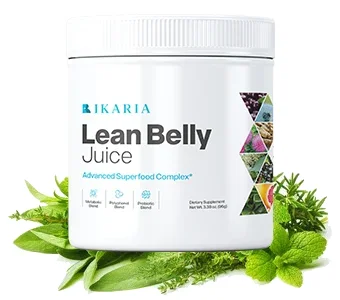
Weight loss supplements come in two broad categories: those built around stimulants (caffeine, synephrine, other sympathomimetics) and those built around metabolic co-factors and plant extracts. Ikaria Lean Belly Juice belongs firmly in the second category. Its formula is stimulant-free, centred on compounds with documented metabolic and hepatic effects, and its central mechanism, targeting ceramide accumulation linked to visceral fat, draws on a genuinely active area of metabolic research.
This review examines what ceramides actually are, what the ingredient science shows, and where this product fits in an honest assessment of the available evidence.
The Ceramide Hypothesis: Is There Science Behind It?
The marketing for Ikaria Lean Belly Juice centres on ceramides as a “root cause” of visceral fat accumulation and metabolic slowdown. This framing is simplified but not invented.
Ceramides are a class of sphingolipids naturally present in cell membranes throughout the body. Under conditions of chronic inflammation, dietary excess, or metabolic stress, ceramide levels in adipose and hepatic tissue rise abnormally. Elevated ceramide accumulation has been associated with impaired insulin signalling, reduced mitochondrial function, and promotion of fat storage in visceral depots, the metabolically active fat surrounding abdominal organs.
Research published in journals including Cell Metabolism has demonstrated that ceramide synthesis inhibition in animal models produces significant improvements in insulin sensitivity, liver fat content, and adipose tissue distribution. In human observational data, elevated circulating ceramide species correlate with metabolic syndrome components.
It is important to note, however, that the ceramide hypothesis in human weight loss is still largely mechanistic. No supplement ingredient has yet been shown in rigorous human trials to specifically lower ceramide levels in a therapeutically meaningful way. The value of Ikaria’s formula rests on its individual ingredients’ documented metabolic effects, not on a proven ceramide-targeted mechanism in humans.

What Is Ikaria Lean Belly Juice?
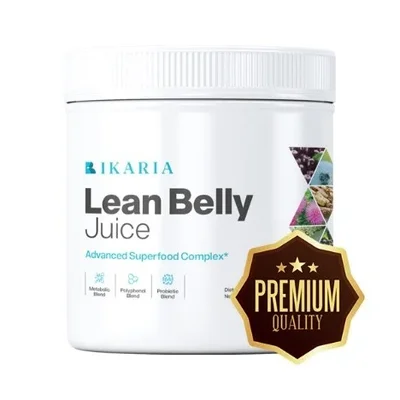
Ikaria Lean Belly Juice is a powdered daily supplement containing a Metabolic Blend (fucoxanthin, Panax ginseng, Bioperine, resveratrol, EGCG, taraxacum, citrus pectin, milk thistle) alongside a Polyphenol Blend of eight antioxidant-rich plant extracts and a Probiotic Blend.
Usage is simple: one scoop mixed with at least 8 ounces of water, taken ideally 30 minutes before breakfast. The powdered format dissolves fully without grittiness or strong taste. The product is stimulant-free, vegetarian, and non-GMO, manufactured in an FDA-registered, GMP-compliant facility in the USA.
Pricing starts at $69 per single bottle, with substantial discounts for the 90-day and 180-day supply bundles. All purchases are backed by a 180-day money-back guarantee, one of the longest in the supplement category.
🍃 Ikaria Lean Belly Juice: stimulant-free metabolic blend with fucoxanthin, EGCG, milk thistle, resveratrol and Panax ginseng. Powdered format for daily use. 180-day money-back guarantee.
Learn More About Ikaria Lean Belly Juice →Ingredient Analysis: The Evidence Behind the Formula

Fucoxanthin
Fucoxanthin is a marine carotenoid extracted from brown seaweeds including wakame and kelp. Its primary mechanism for metabolic support involves upregulation of uncoupling protein 1 (UCP1) in white adipose tissue, which increases thermogenesis and energy expenditure. A 16-week, double-blind, randomised, placebo-controlled trial by Abidov et al. (2010) evaluated fucoxanthin (as part of the Xanthigen supplement containing 2.4 mg fucoxanthin combined with pomegranate seed oil) in 151 obese, non-diabetic premenopausal women. The trial reported statistically significant reductions in body weight (averaging 5.5 kg in the NAFLD group), waist circumference, body fat content, liver fat content, serum triglycerides, and C-reactive protein. Resting energy expenditure also increased significantly compared to placebo. This is one of the more rigorous human trials in the natural metabolic ingredient space.

EGCG (Epigallocatechin Gallate)
EGCG is the primary bioactive catechin in green tea and among the most studied plant compounds in weight management research. Its mechanisms include inhibition of catechol-O-methyltransferase (which prolongs norepinephrine signalling, increasing fat oxidation), direct upregulation of thermogenesis, and improvement of insulin sensitivity. A meta-analysis by Hursel et al. (2009) aggregated 11 eligible studies on green tea supplementation for weight loss and weight maintenance, concluding that catechins produced a statistically significant average reduction in body weight (mean: -1.31 kg) and supported weight maintenance after an initial loss period. Effects were consistent across study designs, with habitual caffeine intake moderating the magnitude of response. EGCG also has documented effects on fat oxidation during exercise, making it relevant beyond simple thermogenesis.

Resveratrol
Resveratrol is a polyphenol found in grape skins, berries, and Japanese knotweed, and has been studied extensively for its sirtuin-activating and anti-inflammatory properties. In the metabolic context, resveratrol activates SIRT1, a NAD+-dependent deacetylase that regulates mitochondrial biogenesis and fat oxidation. Multiple controlled trials in humans have demonstrated improvements in metabolic parameters including fasting glucose, insulin sensitivity, and triglyceride levels with resveratrol supplementation. Several human studies also report reductions in fat mass alongside preservation of lean mass, which is relevant to healthy weight management. Its anti-inflammatory effects on visceral adipose tissue provide a plausible complementary mechanism alongside fucoxanthin's thermogenic action.

Milk Thistle (Silymarin)
Silymarin is the bioactive flavonolignan complex extracted from milk thistle (Silybum marianum) and is the most widely studied botanical hepatoprotective agent. The liver is central to fat metabolism: it processes dietary lipids, regulates lipolysis, and converts excess carbohydrates to fatty acids for storage. In conditions of metabolic stress, fatty liver (NAFLD) develops, further impairing metabolic function. A randomised, double-blind, placebo-controlled trial by Wah Kheong et al. (2017) tested 700 mg silymarin three times daily over 48 weeks in patients with biopsy-proven non-alcoholic steatohepatitis. The trial's primary endpoint, a 30% or greater reduction in NAFLD Activity Score, was not met at a significantly higher rate than placebo, and there was no significant difference between groups in lobular inflammation or hepatocyte ballooning. The genuine positive finding was more specific: silymarin produced a significant improvement in liver fibrosis, including in patients with more advanced fibrosis stages, compared with placebo. For a weight management formula positioning itself around liver health, this is a real but narrower benefit than general "liver health improvement" implies, and it is worth understanding that distinction before expecting broad hepatic effects from this ingredient.
Key References:
- Abidov M, et al. (2010). The effects of Xanthigen in the weight management of obese premenopausal women with non-alcoholic fatty liver disease and normal liver fat. Diabetes, Obesity and Metabolism, 12(1), 72-81. PubMed
- Hursel R, et al. (2009). The effects of green tea on weight loss and weight maintenance: a meta-analysis. International Journal of Obesity, 33(9), 956-961. PubMed
- Wah Kheong C, et al. (2017). A randomized trial of silymarin for the treatment of nonalcoholic steatohepatitis. Clinical Gastroenterology and Hepatology, 15(12), 1940-1949. PubMed

Panax Ginseng
Panax ginseng has millennia of therapeutic use in East Asian medicine and a substantial modern evidence base for metabolic effects. Its primary bioactive compounds, ginsenosides, have demonstrated effects on gut microbiota composition, with specific changes associated with improved insulin sensitivity and altered energy expenditure patterns. Several controlled trials report reductions in fasting glucose, improvements in lipid profiles, and modest anti-obesity effects in overweight subjects. Panax ginseng also reduces fatigue and supports physical performance, which indirectly supports weight management by improving capacity for physical activity. Its combination with EGCG and fucoxanthin creates overlapping metabolic pathways targeting energy expenditure from multiple angles.
Bioperine (Black Pepper Extract)
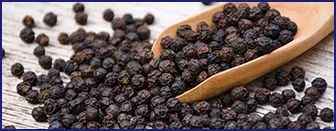
Bioperine is a standardised extract of piperine from black pepper, included in the formula primarily as a bioavailability enhancer. Piperine has been shown to significantly increase the absorption of multiple other phytonutrients by inhibiting metabolic enzymes and efflux transporters in the gut wall. Studies specifically demonstrate that piperine enhances the bioavailability of curcumin by up to 2000%, and similar effects have been documented for resveratrol and EGCG, both present in this formula. Beyond its absorption-enhancing role, piperine has independent thermogenic effects and has been shown to inhibit adipogenesis in vitro. Its inclusion is a formulation intelligence decision that makes the other active ingredients more effective.

Taraxacum (Dandelion)
Taraxacum officinale (dandelion) has traditional use for digestive and hepatic support, and a modest body of modern evidence confirms several of these effects. Dandelion leaf and root extracts have demonstrated diuretic activity (reducing water retention contributing to bloating), prebiotic effects that support beneficial gut bacteria, and mild hepatoprotective properties through antioxidant mechanisms. Taraxacum's primary metabolic contribution in this formula is likely through improved digestive function and liver support, complementing silymarin's more direct hepatic effects. Several in vitro and animal studies also document direct lipase inhibitory activity, potentially reducing dietary fat absorption from the gut.

Citrus Pectin
Citrus pectin is a soluble dietary fibre extracted from the pith and peel of citrus fruits. It forms a viscous gel in the stomach and small intestine, slowing gastric emptying and blunting post-meal blood glucose and insulin spikes. This mechanism reduces the magnitude of insulin release that drives fat storage, and the extended gastric transit time promotes satiety. Clinical data support meaningful reductions in food intake and improved glycaemic response with pectin supplementation. Modified citrus pectin also has documented chelation activity against heavy metals including lead, arsenic, and mercury, toxins that accumulate in fatty tissue and have been associated with impaired metabolic function. The cognitive health benefit mentioned by some users likely relates to this chelation mechanism.
The Antioxidant Polyphenol Blend
In addition to the core metabolic ingredients, Ikaria Lean Belly Juice contains a proprietary blend of eight antioxidant-rich botanical extracts that support general cellular health and reduce the oxidative stress associated with obesity-related inflammation.
Beet Root

Hibiscus

Strawberry Extract
Acai Extract

African Mango
Black Currant
Blueberry Powder
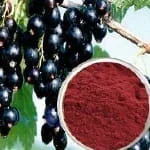
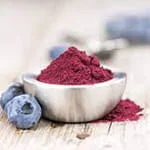
Beet root provides dietary nitrates that support nitric oxide production and cardiovascular health. Hibiscus has documented effects on blood pressure and lipid profiles. The berry extracts (acai, black currant, strawberry, and blueberry) collectively provide anthocyanins, flavonoids, and vitamin C that reduce systemic inflammation and protect mitochondrial function. African mango extract (Irvingia gabonensis) has specific evidence for adiponectin upregulation, improving fat cell metabolism. Together these ingredients address the chronic low-grade inflammation that characterises obesity and perpetuates metabolic dysfunction.
User Experiences




User-reported outcomes are broadly consistent across platforms. The most frequently mentioned effects are improved energy levels and reduced bloating within the first 2 weeks, followed by more gradual changes in body composition over 8 to 12 weeks of consistent use. Some users report losing substantial amounts of weight over 3 to 6 months, while others note minimal effects on scale weight but improvements in energy, digestion, and how their clothes fit. Results vary considerably depending on baseline diet, activity level, and adherence.
The absence of stimulants means users do not experience the jitteriness or sleep disruption common with caffeine-heavy fat burners, a point consistently noted as a positive by long-term users.
How to Use for Best Results
Mix one scoop of Ikaria Lean Belly Juice into at least 8 ounces of cold water or any preferred beverage, ideally 30 minutes before breakfast. The formula is designed for daily use over a minimum of 8 to 12 weeks before evaluating results.

The ingredients with the strongest evidence (fucoxanthin, EGCG, silymarin, and resveratrol) all demonstrate effects that are dose-dependent and require sustained exposure to produce meaningful changes. This is not a supplement where acute effects are expected after a single dose. The 180-day supply option provides adequate time for a meaningful evaluation and comes at the best cost per serving.
🍃 Ikaria Lean Belly Juice is best assessed over a minimum 8-week trial. The 180-day money-back guarantee removes the financial risk from that evaluation period; if results are not satisfactory, a full refund is available without requiring a reason.
Learn More About Ikaria Lean Belly Juice →Honest Assessment: What the Evidence Supports and What It Does Not
Ikaria Lean Belly Juice contains several ingredients with legitimate human clinical trial data for metabolic support. Fucoxanthin (PMID 19840063) and EGCG (PMID 19597519) have controlled trial evidence for modest but statistically significant weight and body fat reductions. Silymarin (PMID 28419855) has randomised controlled trial data showing a significant improvement specifically in liver fibrosis among NASH patients, though the trial’s primary endpoint for overall histological improvement was not met, a nuance worth knowing since fibrosis improvement and general “liver health” are not the same claim. Bioperine’s bioavailability enhancement effect is well-established and makes the formula smarter than a simple ingredient list suggests.
What the evidence does not support is expecting the dramatic, rapid weight loss shown in some testimonials. Losing 24 to 32 pounds in 8 to 12 weeks requires a substantial caloric deficit through diet and exercise modification. Metabolic supplements at best create conditions that make this process easier and more efficient; they do not replace it. Users who report the best results consistently mention that they also changed their diet and increased their activity during the supplementation period.
The ceramide mechanism as marketing framing is largely theoretical in the human supplement context, even though ceramide biology is a legitimate area of metabolic research. Treat the ceramide claim as a useful narrative about the formula’s intent rather than a proven clinical mechanism.
Frequently Asked Questions
Can I take Ikaria Lean Belly Juice with other medications? The formula contains several bioactive plant compounds, including resveratrol and EGCG, that can theoretically interact with blood thinners and certain liver-metabolized medications. Anyone on prescription medication, particularly anticoagulants or medication processed through the CYP450 liver enzyme system, should check with a doctor or pharmacist before starting.
Will I experience any side effects when I start? Mild digestive adjustment, including bloating or loose stools, is possible in the first week as the gut adapts to the fiber content from citrus pectin and the polyphenol blend. This typically resolves within several days.
Can I take it on an empty stomach? Yes, and the manufacturer recommends this specifically, 30 minutes before breakfast, to maximize absorption before other food intake competes for digestive resources.
Is this safe during pregnancy or breastfeeding? No. Several ingredients, including resveratrol and Panax ginseng, lack sufficient pregnancy and lactation safety data, and the manufacturer does not recommend use during these periods.
How long until I notice anything? Based on the ingredient trial durations cited in this review, energy and digestive changes are commonly reported within two weeks, while the body composition changes tied to fucoxanthin and EGCG realistically require eight to twelve weeks of consistent daily use, consistent with the trial timelines for those specific ingredients.
Pros and Cons
Pros
- Fucoxanthin has a 16-week double-blind RCT in humans
- EGCG supported by meta-analysis of 11 trials
- Silymarin has RCT evidence for NAFLD
- Stimulant-free, no jitteriness or sleep disruption
- Bioperine improves absorption of active ingredients
- Broad antioxidant blend addresses inflammatory component
- 180-day money-back guarantee
- GMP-certified, FDA-registered manufacturing
- Vegetarian, non-GMO formula
Cons
- No clinical trial specific to this combined formula
- Ceramide targeting claim is mechanistic, not proven in supplement context
- Individual ingredient doses not disclosed (proprietary blend)
- Results require 8-12 weeks, not a fast solution
- Best results reported alongside diet and exercise changes
- Premium price point for single-bottle purchase
- Not recommended during pregnancy or breastfeeding
Final Assessment
🍃 Ikaria Lean Belly Juice: Fucoxanthin, EGCG, milk thistle silymarin, resveratrol, Panax ginseng, Bioperine, and citrus pectin in a stimulant-free powdered daily blend. 180-day money-back guarantee. One scoop per day, 30 minutes before breakfast.
Learn More About Ikaria Lean Belly Juice →This post contains affiliate links. If you purchase through our links we may earn a commission at no additional cost to you. All content reflects an independent evidence-based assessment.
This content is for informational purposes only and does not constitute medical advice. Consult a qualified healthcare professional before starting any new supplement, particularly if pregnant, breastfeeding, or taking medications.
References:
- Abidov M, et al. (2010). The effects of Xanthigen in the weight management of obese premenopausal women with non-alcoholic fatty liver disease and normal liver fat. Diabetes Obes Metab, 12(1):72-81. PubMed
- Hursel R, et al. (2009). The effects of green tea on weight loss and weight maintenance: a meta-analysis. Int J Obes, 33(9):956-961. PubMed
- Wah Kheong C, et al. (2017). A randomized trial of silymarin for the treatment of nonalcoholic steatohepatitis. Clin Gastroenterol Hepatol, 15(12):1940-1949. PubMed