Onychomycosis affects approximately 10% of the general population and accounts for nearly half of all nail disorders worldwide. Despite the availability of oral antifungal medications, adherence is often limited by the systemic side effects, hepatotoxicity concerns, and drug interactions associated with terbinafine and azole antifungals. This creates genuine demand for topical alternatives with evidence-based ingredient profiles.
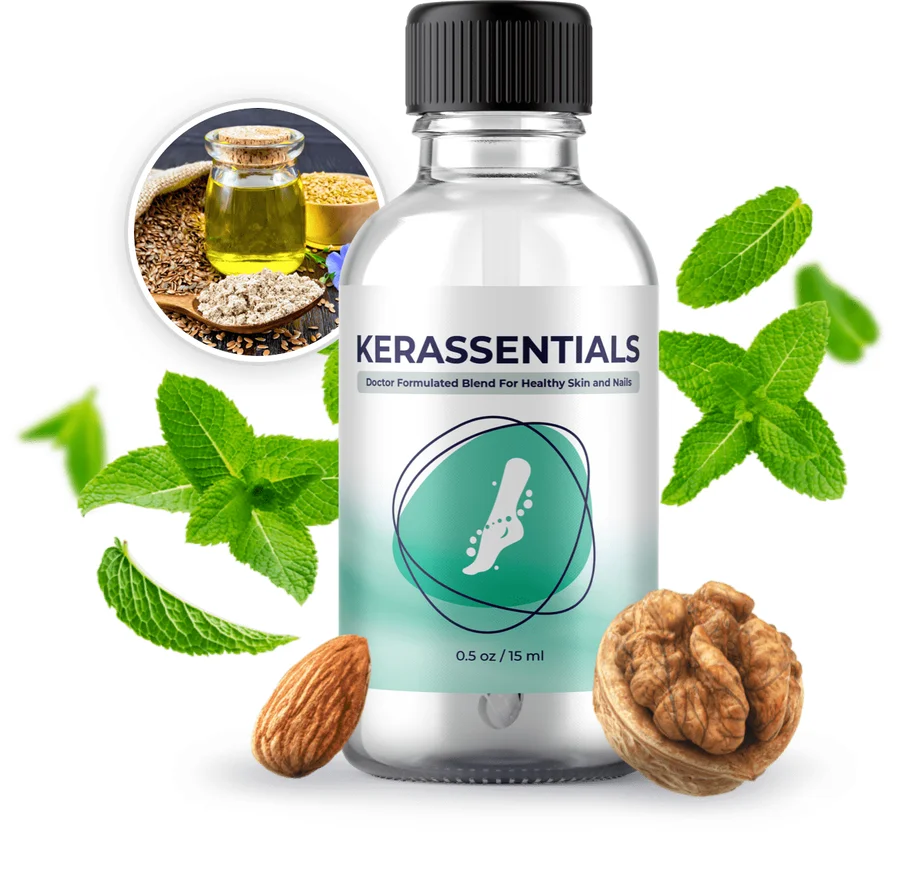
Kerassentials is a topical oil formula combining essential oils and fatty acids with established or emerging evidence in the dermatology and mycology literature. This review examines its ingredient science, mechanism of action, realistic expectations, and where it fits in a holistic approach to nail and skin health.
What Is Kerassentials?
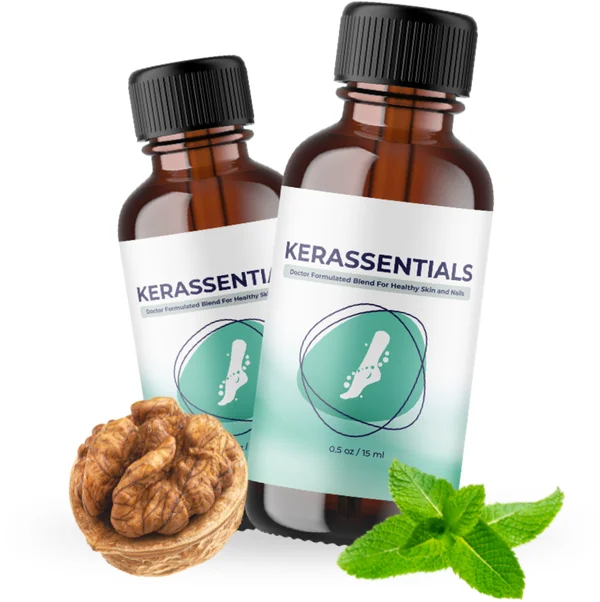
Kerassentials is a topically applied oil blend (0.5 oz / 15ml per bottle) designed for application to the nail plate, nail bed, and surrounding skin twice daily using a brush applicator. The formula is positioned as a doctor-formulated, plant-based alternative to conventional antifungal treatments, targeting nail discoloration, brittleness, and fungal infection through a multi-ingredient approach.
Unlike oral antifungals, topical agents face a fundamental penetration challenge: the nail plate is a dense keratinous structure, and only a fraction of any topical drug reaches the nail bed where dermatophytes reside. This is an honest limitation that applies to all topical nail treatments, not just natural formulas. The advantage of topical application, however, is the absence of systemic exposure and the cumulative contact-time benefit of twice-daily application over weeks to months.
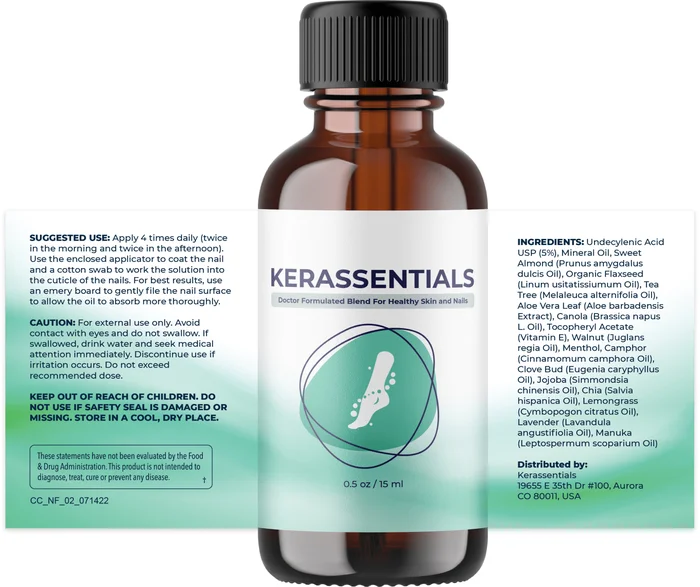
💅 Kerassentials combines FDA-recognized undecylenic acid with tea tree oil, lavender oil, and nourishing carriers in a topical format for nail and surrounding skin health. A rational option for adults managing nail discoloration and early-stage fungal concerns.
Learn More About Kerassentials →The Onychomycosis Problem: Why This Matters
Before examining the formula, it helps to understand why topical nail treatments remain an active area of interest despite the availability of prescription options.
Onychomycosis is one of the most treatment-resistant superficial infections. Even with oral terbinafine, the most effective standard treatment, mycological cure rates range from 45% to 70%, and relapse rates within one year can reach 25%. Dermatophytes, particularly Trichophyton rubrum, are capable of forming persistent biofilms within the nail plate that reduce drug penetration and maintain infection even after apparent clinical resolution.
Antifungal resistance is also a growing concern. A 2020 report in the Morbidity and Mortality Weekly Report documented Candida auris isolates in New York resistant to three classes of antifungal medications simultaneously. Against this background, natural compounds with independent antifungal mechanisms are of legitimate scientific interest.
Reference:
- Gupta AK, et al. (2020). Onychomycosis: a review. Journal of the European Academy of Dermatology and Venereology, 34(9). DOI
Ingredients: The Evidence Behind Each Component
Lavender Oil (Lavandula angustifolia)
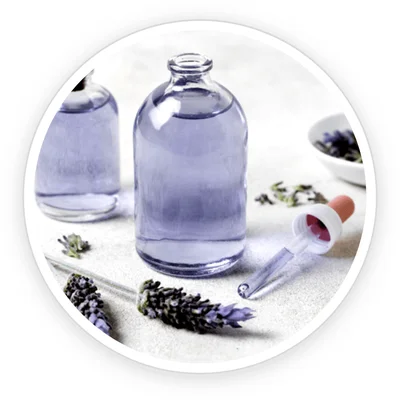
Lavender essential oil has demonstrated antifungal activity against Candida albicans and several dermatophyte species in in vitro studies. The active fractions include linalool and linalyl acetate, which disrupt fungal cell membrane integrity. Multiple laboratory studies confirm MIC values against Candida albicans and species of Trichophyton, the primary genus responsible for nail infection. Beyond antifungal properties, lavender oil has well-documented anti-inflammatory effects on the surrounding periungual skin, which is frequently affected by secondary irritation in onychomycosis cases. It also protects nail keratin and contributes to the formula's tolerability.
Organic Flaxseed Oil
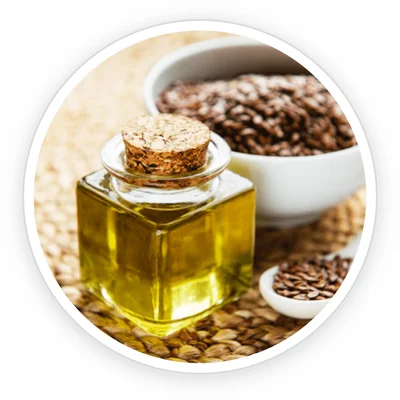
Flaxseed oil is a concentrated source of alpha-linolenic acid (ALA), an omega-3 fatty acid with documented anti-inflammatory and skin barrier supporting properties. In the context of onychomycosis management, chronic fungal infection disrupts the lipid composition of the nail bed and surrounding skin. Flaxseed oil provides fatty acid substrates that support the skin's natural immunity and help maintain the lipid barrier that protects the periungual tissue. Research published in the Journal of Food Science and Technology confirmed that flaxseed is a nutritional superfood with broad applications in skin health support. In a topical formula, its role is primarily as a nourishing carrier and anti-inflammatory adjunct rather than a direct antifungal agent.
Almond Oil
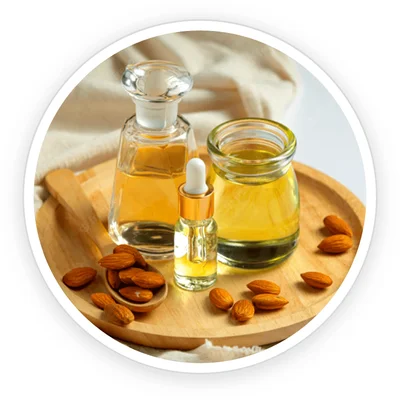
Sweet almond oil is rich in oleic acid, linoleic acid, and vitamins E and B. Its primary role in the Kerassentials formula is as an emollient carrier and nail conditioner. Brittle, discolored nails associated with onychomycosis lose moisture and flexibility as the fungal infection disrupts keratin architecture. Almond oil provides deep moisturization to the nail bed, keeping nails flexible and reducing secondary damage caused by nail brittleness. Some in vitro data also support mild antifungal properties against certain Candida species. As a carrier, it improves the absorption and contact time of the more active antifungal ingredients by softening the nail plate.

Tea Tree Oil (Melaleuca alternifolia)
Tea tree oil is the most extensively studied natural antifungal in the onychomycosis literature. Its primary bioactive compound, terpinen-4-ol, disrupts the fungal cell membrane and inhibits respiratory enzyme activity. A randomised, double-blind, placebo-controlled trial by Syed et al. (1999) demonstrated that 5% tea tree oil combined with 2% butenafine achieved mycological cure in 80% of patients with toenail onychomycosis after 16 weeks, compared to zero in the placebo group. Flores et al. (2013) confirmed antifungal efficacy against Trichophyton rubrum specifically in an onychomycosis nail infection model. A 2024 in vitro study using EUCAST protocols confirmed activity against the main onychomycosis-causing dermatophytes including T. rubrum and members of the T. mentagrophytes complex. Tea tree oil is the anchor antifungal ingredient in this formula.
Key References:
- Syed TA, et al. (1999). Treatment of toenail onychomycosis with 2% butenafine and 5% Melaleuca alternifolia (tea tree) oil in cream: a randomized, double-blind, placebo-controlled study. Tropical Medicine and International Health. PubMed
- Flores FC, et al. (2013). Antifungal activity of nanocapsule suspensions containing tea tree oil on the growth of Trichophyton rubrum. Mycopathologia, 175(3-4), 281-286. PubMed
Lemongrass Oil
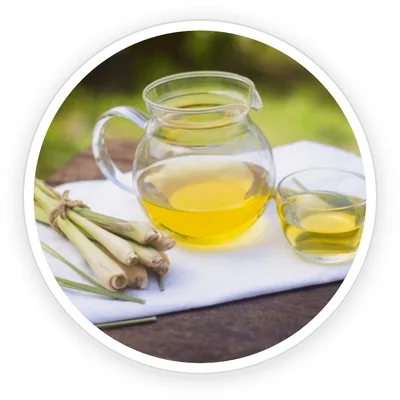
Lemongrass (Cymbopogon citratus) essential oil contains citral as its primary bioactive compound. Multiple in vitro studies demonstrate antifungal activity against Candida species and dermatophytes, with minimum inhibitory concentration values indicating meaningful antifungal potency. The mechanism involves disruption of ergosterol synthesis in the fungal cell membrane. Lemongrass oil also contributes anti-inflammatory properties and an antimicrobial effect that extends beyond fungi to bacteria frequently present in secondary nail infections. Its inclusion adds complementary antifungal coverage alongside tea tree oil, targeting different cellular mechanisms and broadening the formula's spectrum of activity.
Aloe Vera
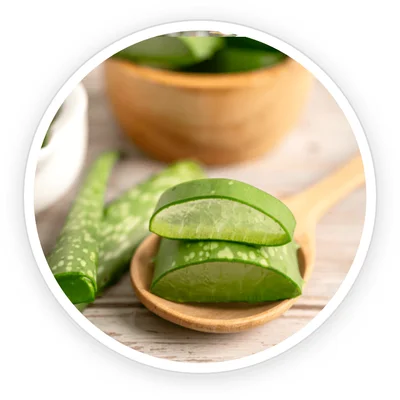
Aloe vera provides three distinct functions in this formula. First, it has documented antifungal activity against Candida species, confirmed in a study published in the Oman Medical Journal examining its efficacy against pathogenic otomycosis fungi. Second, it soothes the periungual skin, which is frequently irritated, cracked, or inflamed in cases of chronic fungal infection. Third, it provides additional moisturization that supports skin barrier recovery. Aloe vera also contributes penetration-enhancing properties, helping other active ingredients contact the nail plate more effectively. Its broad tolerability profile makes it appropriate for users with sensitive skin.
Tocopheryl Acetate (Vitamin E)
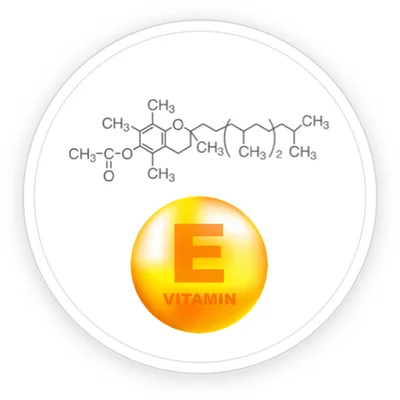
Tocopheryl acetate is the most stable, shelf-stable form of Vitamin E. It acts as an antioxidant in the formula, protecting the other oils from oxidative degradation and extending the product's effective shelf life. In the context of nail health, topical Vitamin E has been studied for nail changes associated with yellow nail syndrome, with Williams et al. (1991) reporting successful clinical outcomes with topical Vitamin E application. More broadly, Vitamin E reduces free radical damage to the periungual skin, protecting against the oxidative stress associated with chronic fungal infection and its associated inflammatory response. It also contributes to the formula's nourishing and skin-conditioning properties.
Undecylenic Acid
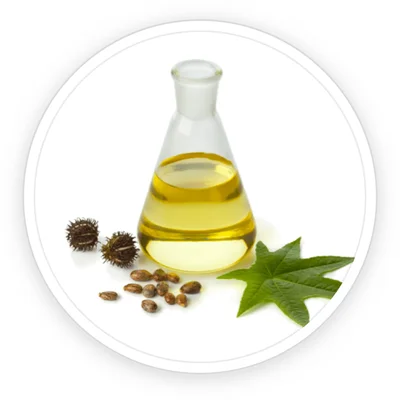
Undecylenic acid is the most pharmacologically important ingredient in Kerassentials and the one with the strongest regulatory recognition. It is an FDA-recognized over-the-counter antifungal active ingredient, approved for topical use in nail and skin fungal conditions. Its mechanism involves disruption of fungal cell wall synthesis by interfering with fatty acid biosynthesis in dermatophytes. Rehder and Nguyen (2008) evaluated a topical formulation containing undecylenic acid in 154 patients with mild, moderate, and severe onychomycosis over one year, reporting negative mycological cultures in 100% of mild cases and 65% of moderate cases. A comparative ex vivo study on nail penetration confirmed that undecylenic acid 25% solutions demonstrate meaningful zones of inhibition against T. rubrum and T. mentagrophytes. This ingredient provides the formula with its most clinically established antifungal credential.
Key Reference:
- Rehder P, Nguyen TT. (2008). A new concept in the topical treatment of onychomycosis with cyanoacrylate, undecylenic acid, and hydroquinone. Foot and Ankle Specialist, 1(2), 93-96. PubMed
The Science of Synergy: Why Multiple Ingredients Matter
The combination of antifungal agents with independent mechanisms is a well-established principle in clinical mycology. In the same way that combination antibiotic therapy reduces the emergence of resistance, combining oils that target different fungal pathways may produce broader-spectrum activity than any single ingredient alone.
Tea tree oil primarily disrupts membrane integrity via terpinen-4-ol. Undecylenic acid disrupts fatty acid biosynthesis and cell wall formation. Lavender and lemongrass oils inhibit ergosterol synthesis through different molecular pathways. The carrier oils, almond and flaxseed, soften the nail plate and improve penetration of the active ingredients, while aloe vera and Vitamin E support the periungual skin environment.
This is a rational formulation logic, though it should be noted that the specific synergistic interactions between these particular ingredients in the context of nail infection have not been established in controlled clinical trials. The individual ingredient evidence is the primary basis for evaluation.

How to Use Kerassentials for Best Results
Consistent twice-daily application is the most important factor in achieving results with any topical nail treatment. The following protocol is recommended:
Step 1: Wash and thoroughly dry the affected nail area before application.
Step 2: Apply Kerassentials with the brush applicator, covering the entire nail surface, under the free edge if accessible, and the surrounding skin.
Step 3: Allow the oil to absorb fully before putting on socks or footwear. This maximises contact time.
Step 4: Repeat morning and evening without interruption. Most users report initial changes in nail appearance within 3 to 6 weeks. Full nail renewal, which requires new healthy nail tissue to grow out, takes 3 to 6 months depending on nail growth rate.
Important practical notes: Keep nails trimmed short throughout treatment to reduce the fungal load. Avoid shared footwear and rotate shoes to allow full drying. Treat the surrounding skin as well as the nail plate, as the skin serves as a reservoir for reinfection.
💅 Kerassentials is most effective when used as part of a consistent daily routine alongside good nail hygiene practices. The 60-day money-back guarantee makes it a low-risk option to assess individual response over a meaningful trial period.
Learn More About Kerassentials →Frequently Asked Questions
Can I wear nail polish while using Kerassentials? Nail polish and other occlusive coatings block oxygen and trap moisture, which generally worsens fungal growth and prevents the oil from reaching the nail plate. It is best to keep nails unpolished during active treatment.
Is it safe to use on toenails and fingernails? Yes, the formula and application method are the same for both, though toenail onychomycosis is more common and slower to resolve due to slower nail growth rates.
Can I use it alongside a prescription antifungal? In most cases yes, since Kerassentials works topically and oral antifungals work systemically through different mechanisms, but confirm with your prescribing doctor, particularly if you are also using a topical prescription antifungal on the same nail.
Will it work on a fungal infection that has spread to multiple nails? The same application protocol applies to multiple affected nails, but more extensive infection generally takes longer to resolve and may benefit from medical evaluation alongside topical treatment.
What if I have sensitive skin or known essential oil allergies? Patch test on a small area of skin before full application, since the formula contains several essential oils, including tea tree and lemongrass, that can cause irritation or allergic reaction in sensitive individuals.
Doctor Formulation and Quality Standards

Kerassentials is manufactured in an FDA-registered, GMP-certified facility in the United States. The formula uses plant-based, non-GMO ingredients without synthetic additives, stimulants, or chemical preservatives. The topical delivery format avoids the hepatotoxicity and drug interaction risks associated with oral antifungal therapy, making it suitable for users who cannot or prefer not to use systemic treatments.
Realistic Expectations: What the Evidence Supports
For mild to moderate nail discoloration and early-stage fungal involvement, Kerassentials provides a plausible intervention based on its ingredient profile. Tea tree oil and undecylenic acid both have published evidence in the onychomycosis context, with the latter carrying FDA recognition.
What the evidence does not support is the expectation of rapid resolution of severe, long-standing onychomycosis. Severe fungal nail infection involving substantial nail thickening, subungual debris, and nail plate destruction requires nail penetration levels that any topical product, prescription or natural, struggles to achieve consistently. In such cases, medical consultation for oral antifungal therapy or professional nail debridement is appropriate.
The most realistic use case for Kerassentials is preventive maintenance, management of mild early-stage infection, and supportive care alongside standard treatment in moderate cases. The 60-day money-back guarantee allows sufficient time to observe meaningful initial changes without financial risk.
Pros and Cons
✅ Pros
- FDA-recognized undecylenic acid as primary antifungal
- Tea tree oil with clinical trial evidence in onychomycosis
- Multi-ingredient formula targeting different fungal pathways
- No systemic exposure, no hepatotoxicity or drug interactions
- Nourishing carrier oils support periungual skin health
- Non-GMO, no synthetic chemicals
- FDA-registered, GMP-certified manufacturing
- 60-day money-back guarantee
- Fast-absorbing, non-greasy formula
❌ Cons
- No clinical trial specific to this formulation
- Limited nail plate penetration, an inherent topical limitation
- Not appropriate as sole treatment for severe infection
- Results require consistent use over months, not weeks
- Essential oil allergies require patch testing first
- Premium price point relative to generic antifungal options
Who May Benefit Most
Kerassentials is most appropriate for:
Adults with mild to moderate nail discoloration or early-stage fungal changes who prefer a natural topical approach. Those seeking to maintain results after completing a course of prescription antifungal treatment, where recurrence prevention is the goal. Individuals who cannot use oral antifungal therapy due to liver conditions, drug interactions, or medical advice. Those wanting to support general nail and periungual skin health as part of a preventive routine.
It is less suitable for: Severe or advanced onychomycosis with substantial nail plate destruction, where medical consultation and likely prescription therapy are needed. Users with known essential oil allergies, who should review the full ingredient list and perform a patch test.
Final Assessment
The nail health supplement market contains many products making claims unsupported by any ingredient evidence. Kerassentials stands apart by including undecylenic acid, an FDA-recognized antifungal, alongside tea tree oil with published clinical data, and lavender and lemongrass oils with meaningful in vitro evidence. The supporting ingredients address the moisturization and skin health dimensions that are frequently neglected in fungal nail care.
For adults committed to a natural topical approach and willing to apply consistently over 2 to 3 months, Kerassentials represents one of the more scientifically grounded options in this category.
💅 Kerassentials: FDA-recognized undecylenic acid, tea tree oil with clinical trial evidence, and nourishing essential oils in a topical format for nail and surrounding skin health. 60-day money-back guarantee. For best results, apply twice daily for a minimum of 8 weeks before evaluation.
Learn More About Kerassentials →This post contains affiliate links. If you purchase through our links we may earn a commission at no additional cost to you. All content reflects an independent evidence-based assessment.
References:
- Gupta AK, et al. (2020). Onychomycosis: a review. J Eur Acad Dermatol Venereol, 34(9). DOI
- Syed TA, et al. (1999). Treatment of toenail onychomycosis with 2% butenafine and 5% Melaleuca alternifolia (tea tree) oil in cream. Trop Med Int Health. PubMed
- Flores FC, et al. (2013). Antifungal activity of nanocapsule suspensions containing tea tree oil on the growth of Trichophyton rubrum. Mycopathologia, 175(3-4), 281-286. PubMed
- Rehder P, Nguyen TT. (2008). A new concept in the topical treatment of onychomycosis with cyanoacrylate, undecylenic acid, and hydroquinone. Foot Ankle Spec, 1(2), 93-96. PubMed