The skincare industry generates over 150 billion dollars annually and operates in a regulatory environment that allows extraordinary claims to be made with minimal evidence. For every ingredient backed by solid clinical research, there are dozens riding on marketing, celebrity endorsement, or studies so small and poorly designed that they tell us almost nothing.
This article focuses on what the peer-reviewed literature actually supports for skin health, with particular attention to three common concerns: acne, premature aging, and treatment safety.
Understanding the Skin Barrier First
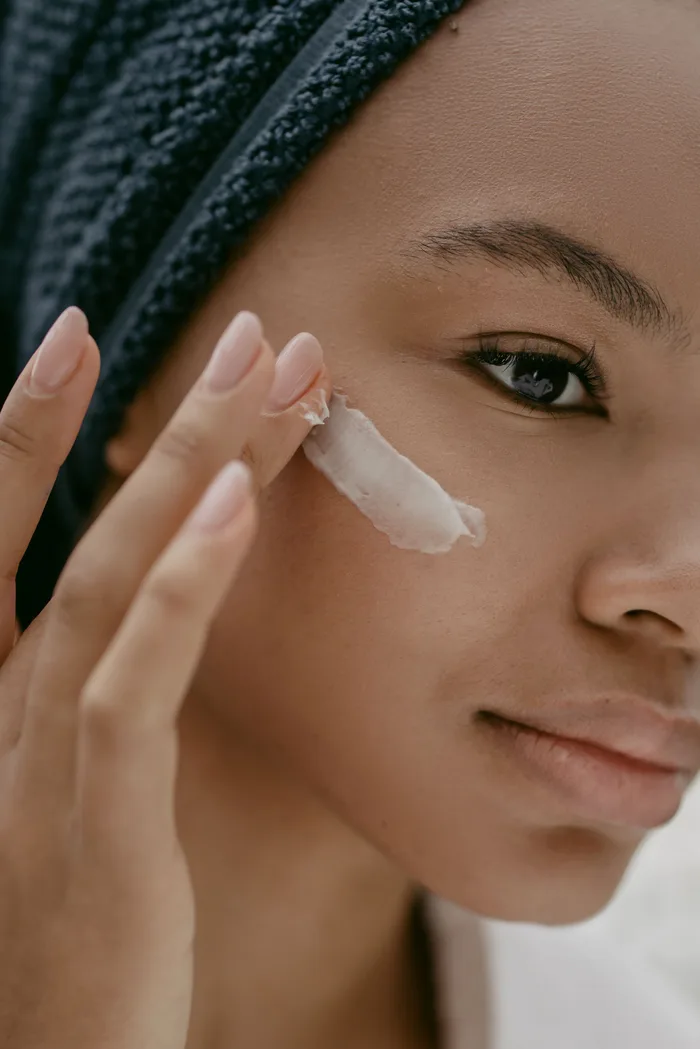
Barrier dysfunction shows up in predictable ways. Skin that stings when you apply products that are normally well tolerated, skin that looks dull or rough in texture, skin that flushes easily or reacts to temperature changes, and skin that never seems adequately moisturized regardless of how much you apply. These are signs that the barrier is not doing its job.
Ceramides are the primary lipids responsible for holding the barrier together. They can be depleted by over-washing, harsh surfactants, physical exfoliation done too aggressively, very low humidity environments, and long hot showers. Replenishing them topically with ceramide-containing moisturizers is one of the few skincare interventions with a genuinely solid evidence base for barrier repair.
A key implication: starting with actives before the barrier is healthy is working in the wrong order. Retinoids, acids, and vitamin C are more likely to cause irritation and sensitivity on a compromised barrier, and the results will be less predictable. Getting the barrier stable first makes everything else more effective.
Before evaluating any ingredient or treatment, it helps to understand what healthy skin actually is at a biological level.
The skin is the body’s largest organ and its primary interface with the external environment. The outermost layer, the stratum corneum, functions as a physical and chemical barrier. It is composed of dead keratinocytes embedded in a lipid matrix of ceramides, cholesterol, and fatty acids. This structure, often described as a “brick and mortar” model, regulates water loss, blocks environmental pathogens, and modulates inflammatory signaling.
When the skin barrier is compromised (through over-washing, harsh ingredients, low humidity, or underlying conditions), it becomes more permeable, more reactive, and more prone to inflammation. Many skin concerns, including acne, eczema, and sensitivity, involve some degree of barrier dysfunction.
This is why the foundation of any evidence-based skincare routine is barrier support: gentle cleansing, appropriate moisturization, and sun protection.
When the barrier is functioning well, it also plays a role in regulating the skin microbiome: the community of bacteria, fungi, and other microorganisms that live on the skin surface. Staphylococcus aureus overgrowth, associated with eczema flares, is partly held in check by an intact, slightly acidic barrier. Disrupting that environment with alkaline cleansers or harsh actives has consequences that extend beyond moisture retention.
Ingredients With Strong Evidence
Retinoids
Retinoids (vitamin A derivatives) are among the most studied skincare ingredients in existence. The evidence spans decades and encompasses thousands of subjects. They work by binding to nuclear retinoic acid receptors, modulating gene expression to increase cell turnover, stimulate collagen synthesis, reduce sebum production, and normalize keratinization.
Clinically, retinoids have demonstrated efficacy for:
- Acne (both comedonal and inflammatory)
- Fine lines and photoaging
- Hyperpigmentation
- Skin texture irregularities
Prescription tretinoin is the most potent and best-studied form. Over-the-counter retinol converts to retinoic acid in the skin at a slower rate, producing similar but milder effects with a better tolerance profile. Adapalene (available over-the-counter in some markets) sits between these in terms of efficacy and tolerability.
Side effects during initial use (dryness, peeling, purging) are common and typically resolve within four to eight weeks. Starting at low concentrations two to three times per week and increasing gradually is the approach supported by the literature.
🌿 TruSkin Vitamin C Serum combines Vitamin C with Hyaluronic Acid and Vitamin E for brightening, dark spot reduction, and antioxidant protection. Vitamin C is among the most evidence-backed topical actives for photoaged skin and hyperpigmentation.
Check TruSkin Vitamin C Serum on Amazon →Niacinamide
Niacinamide (vitamin B3) has accumulated a genuinely impressive body of evidence. It reduces transepidermal water loss, strengthens the skin barrier, inhibits melanosome transfer (reducing hyperpigmentation), and has demonstrated anti-inflammatory properties relevant to acne and rosacea.
It is well-tolerated across skin types and can be used in combination with most other actives. Concentrations of 4 to 10 percent are the most commonly studied range.
💧 JiYu Niacinamide Toning Pads combine niacinamide with snail mucin, peptides, and centella for barrier support, dark spot reduction, and anti-inflammatory effects. Pre-soaked pads make consistent daily niacinamide application effortless.
Check JiYu Niacinamide Pads on Amazon →Hyaluronic Acid
Hyaluronic acid (HA) is a naturally occurring polysaccharide already present in the skin’s extracellular matrix, where it functions as a humectant capable of holding up to 1,000 times its weight in water. Natural HA production declines starting around age 25, which is part of why skin gradually loses the plumpness and bounce characteristic of younger skin.
The molecular weight of the HA used in a formulation determines how it behaves on skin, and this is one of the more practically important details consumers rarely know to look for. High molecular weight HA (1,000 to 1,400 kDa) sits on the skin’s surface, forming a film that holds moisture in place without penetrating deeper layers. Low molecular weight HA (20 to 300 kDa) is small enough to pass through the stratum corneum, delivering hydration to slightly deeper tissue. A 2022 literature review covering three decades of research on topical HA found consistent evidence for improved hydration, skin elasticity, and reduced wrinkle depth across multiple randomized controlled trials, with some trials finding that combining multiple molecular weights in a single formulation outperformed any single molecular weight alone.
Because HA is a humectant rather than an occlusive, applying it to dry skin without sealing in the moisture afterward with a moisturizer can paradoxically worsen dryness in low-humidity environments, since the HA can draw moisture from the skin itself rather than the surrounding air. Applying it to damp skin and following immediately with a moisturizer is the practical fix.
Alpha Lipoic Acid
Alpha lipoic acid (ALA) is a naturally occurring antioxidant that functions in both water-soluble and fat-soluble environments, giving it broader cellular reach than many other antioxidants. It regenerates other antioxidants including vitamins C and E, and has demonstrated anti-inflammatory properties through inhibition of NF-kB signaling.
In the context of skin, ALA has shown promise for reducing fine lines and improving overall skin texture in early clinical studies. Its role in pore appearance and mild acne has also been investigated. The evidence base is smaller than for retinoids or niacinamide, but the safety profile is well-established and the antioxidant mechanisms are biologically plausible.
Vitamin C (L-Ascorbic Acid)
Vitamin C is essential for collagen synthesis and is one of the most researched topical antioxidants. It neutralizes free radicals generated by UV exposure, brightens hyperpigmentation by inhibiting tyrosinase, and supports collagen cross-linking.
The main challenge is stability: ascorbic acid oxidizes readily on exposure to air and light. Products should be stored in opaque, airtight packaging and replaced regularly. L-ascorbic acid at concentrations of 10 to 20 percent at pH below 3.5 is the formulation with the strongest evidence.
Sunscreen
If there is one non-negotiable in evidence-based skincare, it is daily broad-spectrum sun protection. UV radiation is the primary driver of photoaging, hyperpigmentation, and skin cancer. No anti-aging ingredient or treatment can outperform consistent sunscreen use over time.
SPF 30 provides approximately 97 percent protection against UVB; SPF 50 provides approximately 98 percent. The difference is small, but daily application and reapplication matter far more than the specific SPF number.
🧴 Paula's Choice 2% BHA Liquid Exfoliant Salicylic acid at 2% is the gold standard for chemical exfoliation of pores, blackheads, and surface texture. Fragrance-free and suitable for most skin types. Regular use improves skin clarity and smoothness measurably over 4 to 8 weeks.
Check Paula's Choice BHA Exfoliant on Amazon →Treatments: Chemical Peels and Microneedling
Chemical Peels
Chemical peels use acidic compounds to induce controlled exfoliation and stimulate skin renewal. They are categorized by depth of penetration:
Superficial peels (glycolic acid, lactic acid, mandelic acid, salicylic acid) exfoliate the stratum corneum and upper epidermis. They have good evidence for improving acne, mild hyperpigmentation, and skin texture with minimal downtime. Salicylic acid is oil-soluble and particularly effective for acne-prone skin.
Medium peels (trichloroacetic acid at higher concentrations) penetrate to the papillary dermis and require professional administration. Evidence supports their use for moderate photoaging and hyperpigmentation, with several days of downtime expected.
Deep peels (phenol) produce significant results for severe photoaging but carry meaningful risks and require careful patient selection.
Key consideration: the skin must be properly prepared before a peel (often with retinoids or AHA pre-treatment) and the barrier must be protected during recovery. Peels on a compromised skin barrier or with inadequate sun protection afterward can worsen pigmentation, particularly in darker skin tones.
Microneedling
Microneedling involves controlled puncture of the skin with fine needles to stimulate wound healing, collagen induction, and enhanced ingredient penetration. The evidence supports its use for:
- Acne scarring (one of its best-studied applications)
- Fine lines and skin laxity
- Enlarged pores
- Hyperpigmentation (with caution in darker skin tones)
Multiple sessions are generally required for meaningful results. Risks include infection, post-inflammatory hyperpigmentation (particularly without adequate sun protection), and prolonged redness if performed too aggressively.
Professional administration is advisable for deeper treatments. At-home dermarollers with shorter needle lengths carry lower risk but also produce more modest results.
What to Be Cautious About
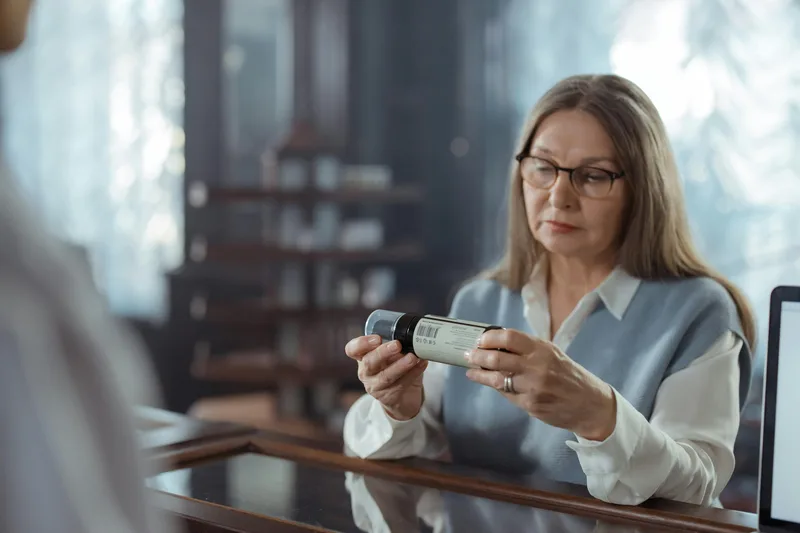
Essential oils in skincare are among the most common sensitizing ingredients. Despite their natural origin, many contain compounds that disrupt the skin barrier and cause contact dermatitis, particularly with repeated use. Fragrant oils like lavender, peppermint, and citrus derivatives are frequent culprits.
Physical scrubs with irregular particle shapes (crushed walnut shells, for example) can cause micro-tears in the skin surface and worsen inflammation. Chemical exfoliation is generally safer and more controllable.
Alcohol-based toners at high concentrations (isopropyl alcohol, SD alcohol, denatured alcohol) are included in some products for their astringent feel and quick-drying properties, but evidence consistently shows they disrupt the skin barrier over time. Short-term tightening after application signals dehydration, not skin health.
DIY treatments using kitchen ingredients (lemon juice, baking soda, apple cider vinegar) are frequently recommended online and frequently problematic. Lemon juice and ACV have pH levels that can disrupt the skin barrier; baking soda is highly alkaline. The skin maintains a slightly acidic pH (around 4.5 to 5.5) for a reason, and disrupting it creates problems that no trending ingredient can fix.
Building a Simple, Evidence-Based Routine
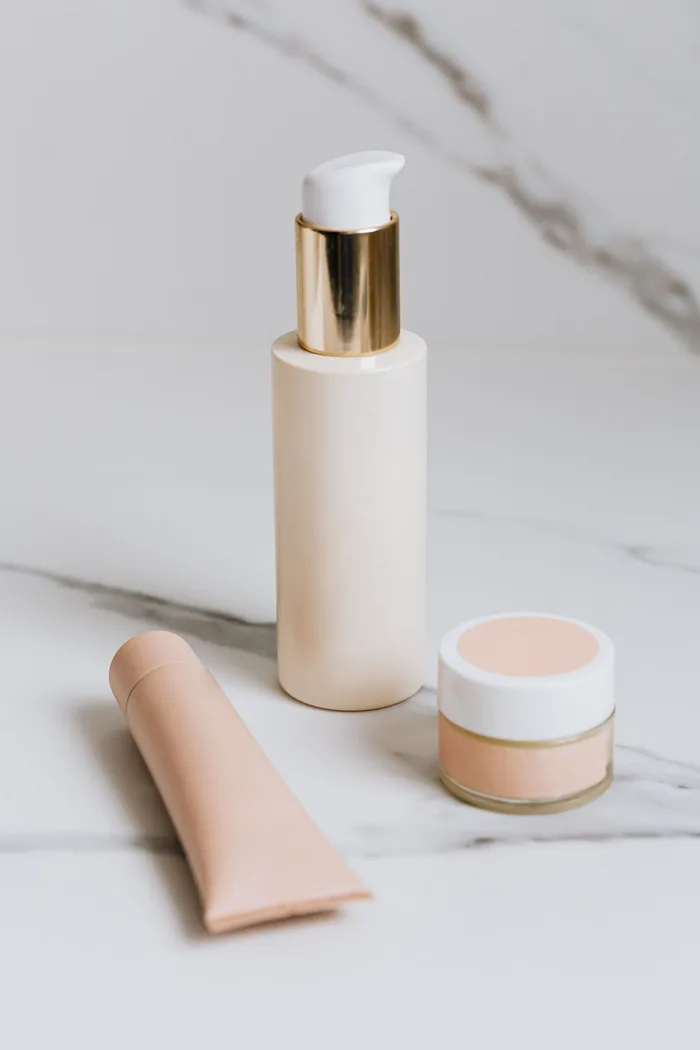
Morning: Gentle cleanser. Vitamin C serum (if using). Moisturizer. Broad-spectrum SPF 30 or higher.
Evening: Gentle cleanser. Retinoid (2 to 3 nights per week initially, building to nightly as tolerated). Niacinamide. Moisturizer.
Targeted additions: ALA or other antioxidants can be incorporated based on specific concerns. Salicylic acid toner or spot treatment for acne. Azelaic acid for rosacea or hyperpigmentation.
The sequence in which you apply products matters somewhat but is less critical than consistency. As a general principle, apply water-based serums before heavier creams, and allow a brief interval between retinoids and other actives during initial use to minimize irritation.
Introducing new actives one at a time, allowing at least two to four weeks before evaluating results, makes it much easier to identify what is and is not working for your skin. Adding multiple new products simultaneously makes troubleshooting almost impossible.
This is not a complicated routine. Complexity in skincare often signals marketing rather than efficacy. The ingredients with the strongest evidence are not the newest or the most expensive.
References:
- Mukherjee S, et al. (2006). Retinoids in the treatment of skin aging: an overview. Clinical Interventions in Aging, 1(4), 327-348. PubMed
- Hakozaki T, et al. (2002). The effect of niacinamide on reducing cutaneous pigmentation and suppression of melanosome transfer. British Journal of Dermatology, 147(1), 20-31. PubMed
- Bravo B, et al. (2022). Benefits of topical hyaluronic acid for skin quality and signs of skin aging: from literature review to clinical evidence. Dermatologic Therapy, 35(12), e15903. DOI
- Baumann L. (2007). Skin ageing and its treatment. Journal of Pathology, 211(2), 241-251. PubMed
- Pinnell SR, et al. (2001). Topical L-ascorbic acid: percutaneous absorption studies. Dermatologic Surgery, 27(2), 137-142. PubMed
💅 Kerassentials For nail and surrounding skin health, this topical oil formula combines FDA-recognized undecylenic acid with tea tree, lavender, and lemongrass oil. Nail health is part of skin health.
Learn More About Kerassentials →For related topics, explore the evidence on hormonal influences on skin health and the role of nutrition in skin structure and aging, both covered in depth on BioFlowBeauty.